NASA Launches 'Roman' Telescope to Map a New Chart of the Universe
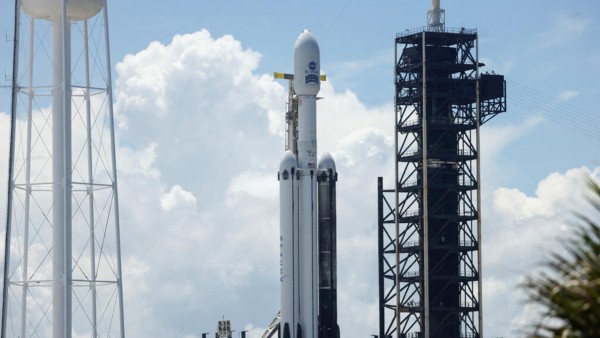
In a mission that opens a broader window for scientists into the secrets of the universe, NASA launched its Roman Space Telescope on Sunday, beginning a scientific journey aimed at creating an unprecedented new map of the cosmos and investigating major mysteries, most notably the nature of dark matter and dark energy.
The telescope lifted off at 7:26 a.m. local time (11:26 UTC) aboard a Falcon Heavy rocket operated by SpaceX, from NASA’s Kennedy Space Center in Florida, according to a live NASA broadcast.
The telescope’s primary mission is scheduled to last five years, with the project costing approximately $4.3 billion, and its operational period may be extended beyond the planned duration.
Monitoring government executive services and transactions
Analyzing demographic data and statistics
Donating to charitable institutions and associations
NASA states that Roman features a wide and powerful field of view, enabling it to survey vast areas of the sky and collect data that help scientists study the structure and evolution of the universe.
The telescope is equipped with a primary mirror measuring 2.4 meters in diameter, the same size as the primary mirror of the renowned Hubble Space Telescope.
