Nepal Flood Death Toll Rises to 579, with 1,924 Missing
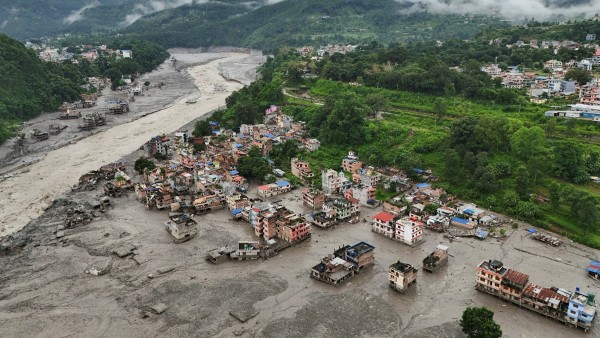
-Rescue of 4,451 people, including 129 foreigners... Rock-ice avalanche behind the disaster
The death toll from Nepal’s catastrophic floods has risen to 579, with 1,924 people still missing, according to the latest data from the country’s National Disaster Risk Reduction and Management Authority (NDRRMA) as of 7:00 p.m. local time on Friday.
Multilateral organizations
Local news
The new figures represent a significant increase compared to the authority’s earlier report at 3:00 p.m., which recorded 538 deaths and 977 missing persons. This indicates an increase of 41 deaths and 947 missing persons within a four-hour span.
The authority stated that rescue teams have so far saved 4,451 people, including 129 foreigners, as search and rescue operations continue in affected areas amid difficulties caused by the scale of destruction and the disruption of several roads.
Regarding foreign tourists and travelers, the Nepal Tourism Board reported receiving information on 743 missing tourists and travelers from 36 countries. It noted that 121 of them have been found, while the fate of 622 remains uncertain.
Among 183 Indians reported missing, 85 have been located, while 98 remain out of contact, as authorities continue to verify missing persons lists and liaise with embassies and relevant agencies.
The latest available information regarding the cause of the disaster indicates that the flood resulted from a massive rock-ice avalanche in the Chinese Tibet region near the Nepal border, triggering a surge of large volumes of water, rocks, mud, and debris flowing through rivers and valleys toward Nepalese territory.
According to the World Meteorological Organization (WMO), initial assessments point to a rock-ice avalanche as the cause of the catastrophic flow, while relevant authorities are still studying the details and mechanisms of the collapse.
Rescue teams continue their search for the missing and efforts to reach isolated areas. Video footage from the disaster zones has revealed the scale of the catastrophe, documenting massive torrents of water, mud, and debris sweeping away homes, buildings, bridges, and vehicles, leaving behind vast areas of destruction and rubble.
