Norway Plans to Tighten Restrictions on the Use of Smart Glasses
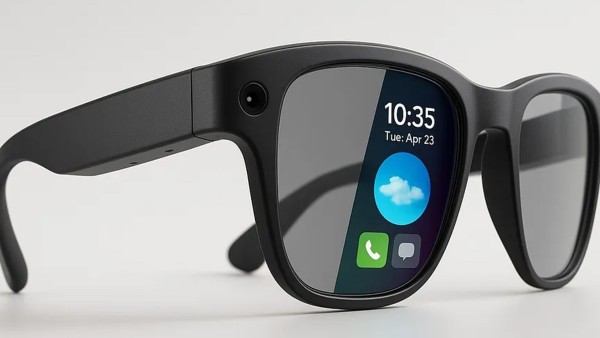
Norway is moving to tighten regulations on the use of smart glasses and similar devices, while considering a ban on features that enable facial recognition in public spaces, amid growing concerns related to privacy and the use of artificial intelligence technologies.
Smart glasses allow users to take photos and videos, listen to music, make phone calls, and translate foreign-language signs, in addition to displaying text and maps within their field of view and interacting with AI-powered assistants.
Norway’s Minister of Digitalization, Karianne Tung, said in a statement that private life and privacy are under increasing pressure from modern technology, emphasizing her desire to regulate the use of smart glasses and similar devices more strictly.
According to the French news agency AFP, the potential measures could include banning features such as recognizing other people’s faces in public places.
Tung announced her intention to form an expert panel to advise the government on ways to better protect consumers from modern technologies, calling on both the public and private sectors to establish specific guidelines for the use of these devices.
She pointed to a clear trend toward integrating artificial intelligence with cameras and microphones embedded in glasses, earbuds, hats, and other everyday tools, stressing the need to prevent the use of these devices to monitor others in public spaces.
For his part, Finn Lützow-Holm Myrstad, head of digital policy at the Norwegian Consumer Council, welcomed the government’s move, urging retailers to stop selling smart glasses until the legal aspects surrounding their use are clarified.
Reports indicated that Meta has developed a facial recognition feature ready to be integrated into its smart glasses.
Myrstad said that Meta already possesses the technology and that incorporating it into glasses is merely a matter of time, warning that banning facial recognition alone would not prevent users from secretly recording people.
He added that the potential for misuse is enormous.
