Ministry of Electricity Staff: The 'Secret to Success' in Navigating the Summer of 2026
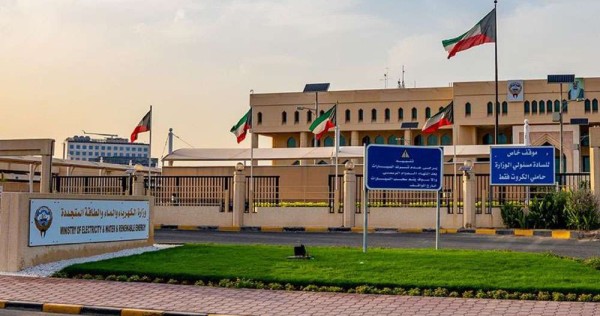
As August draws to a close, attention is turning to the results of the peak electricity season, coinciding with the imminent end of the decision to reduce working hours in government entities to six hours instead of seve
Translated by Qiyas from السياسة — Original source
As August draws to a close, attention is turning to the results of the peak electricity season, coinciding with the imminent end of the decision to reduce working hours in government entities to six hours instead of seven, as part of measures aimed at alleviating electrical loads during peak times. Indicators point to the success of the Ministry of Electricity, Water and Renewable Energy in overcoming the challenges of the summer of 2026.
This success was achieved despite the difficult circumstances imposed by the reprehensible Iranian attacks on power stations during the summer period, when temperatures rose to record levels, exceeding 50 degrees Celsius at times.
The Ministry managed to overcome various challenges under the directives and follow-up of the Minister of Electricity, Water and Renewable Energy, Dr. Subaih Al-Mukhaimis, and senior ministry officials, alongside the efforts of workers across all sectors, particularly in electricity generation and water desalination plants, emergency departments, and other administrative units. They continued working day and night at their posts, which constituted the "key" to overcoming the challenges of the summer of 2026.
Four factors enhanced stability
Data indicates that overcoming the summer peak relied on four main factors. The first was the strenuous efforts made by the National Committee for Energy and Water Conservation to promote a culture of conservation, through cooperation and coordination with various government entities, notably the Ministries of Information and Endowments, as well as cooperation from the industrial sector in reducing consumption during peak hours.
The second factor involved leveraging the Gulf Cooperation Council (GCC) power grid interconnection to support grid stability and cope with rising loads during the period from June to September.
Economic News
Political News
The third factor consisted of completing maintenance works on electricity and water production units according to scheduled timelines and bringing them into service before the summer season, thereby enhancing production capacity and raising the system’s readiness to meet high demand.
Enhancing readiness
The fourth factor involved raising the readiness of the Ministry’s technical emergency teams to handle various power outages across all regions, accelerating repair and restoration processes, and providing emergency generators when longer times were needed to address faults.
Thus, the integration of conservation measures, support from the GCC power grid interconnection, and the readiness of production units and emergency teams formed key elements in strengthening the electrical system’s capacity to face peak loads and overcome the challenges of the summer of 2026.
