Tamadur Al-Sabah: Kuwait strengthens its role in developing Gulf 'energy media' to keep pace with global transformations
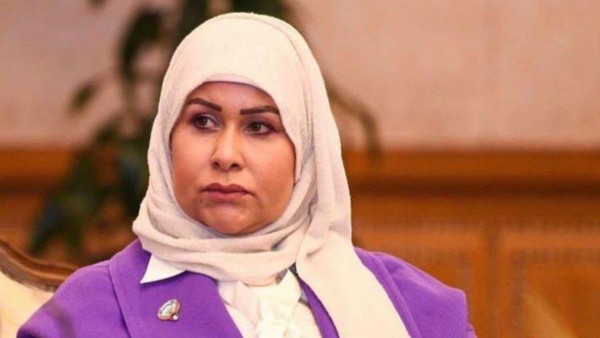
- Kuwaiti proposal to shift the strategy from "petroleum media" to a broader energy media concept - Leveraging media intelligence and proactive analysis to monitor trends and enhance the Gulf’s international presence Eco
Translated by Qiyas from السياسة — Original source
- Kuwaiti proposal to shift the strategy from "petroleum media" to a broader energy media concept
- Leveraging media intelligence and proactive analysis to monitor trends and enhance the Gulf’s international presence
Economic News
Cultural News
News Archive
Sheikha Tamadhar Khalid Al-Ahmad Al-Sabah, Director of Public Relations and Petroleum Media at the Ministry of Oil, emphasized the pivotal role played by Kuwait in supporting and developing the energy media system across the Gulf Cooperation Council (GCC) countries, and in contributing to the modernization of the GCC’s media strategy to keep pace with the rapid changes witnessed by the global energy sector.
In a press statement issued by the Ministry of Oil on Wednesday, Sheikha Tamadhar Al-Sabah stated that the ministry had actively participated in efforts to develop and update the GCC strategy. This contribution aims to transition media discourse from its traditional petroleum scope to a more comprehensive concept of energy media, aligning with transformations in energy markets, supply security issues, sustainability, energy transition, and related technological and environmental developments.
She clarified that the strategy’s update comes amid widespread shifts in the global energy system, necessitating the development and expansion of Gulf media discourse tools. This expansion seeks to enhance the ability to interpret these changes, highlight the GCC states’ positions, policies, and efforts in addressing them, and strengthen their presence in regional and international discussions concerning the future of energy.
She noted that a key transformation in the strategy was Kuwait’s proposal to amend the title from "Petroleum Media Strategy" to "Energy Media Strategy." This proposal was approved during the minutes of the 19th preparatory meeting of the Deputies of the Oil Ministers of the GCC states, held in Kuwait on September 30, 2025.
She added that the change in title is not merely formal but reflects a qualitative shift in the strategy’s content, message scope, and media priorities. It now encompasses, alongside oil and natural gas, topics such as renewable energy, hydrogen, emission reduction technologies, the circular carbon economy, energy efficiency, and supply security. This alignment corresponds with the evolving energy mix and policies adopted by GCC member states.
Sheikha Tamadhar Al-Sabah affirmed that the updated strategy’s vision is based on building a unified and credible Gulf media discourse for energy. This discourse reflects the GCC’s standing in the global energy system, enhances the balance between energy security and sustainability, and highlights the GCC states’ role in ensuring supply reliability, supporting global economic growth, and responsibly addressing climate change and energy transition issues.
She mentioned that among the new strategic directions is the utilization of media intelligence tools and proactive analysis to monitor international media trends, analyze content from influential media outlets and think tanks, and anticipate potential campaigns before they escalate. This approach supports relevant authorities in GCC states with more accurate analytical outputs and improves the efficiency of media responses to international developments.
Digital News Services
Judicial News
Political News
She further stated that the strategy also aims to expand media cooperation with international organizations concerned with energy, energy transition, and climate. It seeks to enhance the coordinated Gulf presence at major international events, while monitoring and analyzing international legislation and policies related to energy and climate. Additionally, it involves producing specialized media content that clarifies the potential implications of these developments on GCC member states.
She affirmed that the State of Kuwait will continue to support joint Gulf efforts to develop “energy media” and enhance coordination among the Gulf Cooperation Council (GCC) countries, thereby contributing to the construction of a more impactful and professional Gulf media discourse capable of conveying positions and messages in a unified and professional manner, and reflecting the strategic role of the GCC states in energy security, market stability, and support for the global economy.
