Kuwaiti Charitable Leaders: Humanitarian Work Extends Beyond Relief to Empowerment and Sustainability
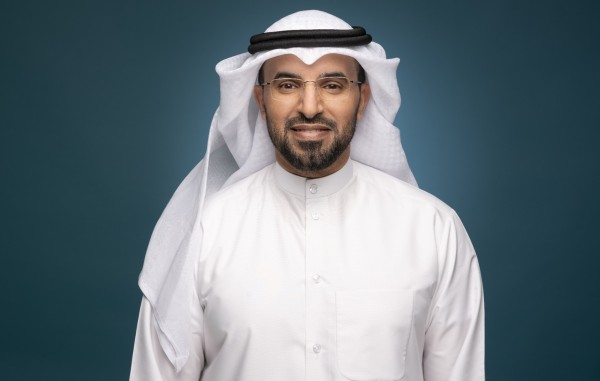
- Al-Otaibi: Charitable work reflects Kuwait’s humanitarian message to the world - Al-Kandari: Investing in people is the foundation of sustainability and self-reliance - Al-Ali: The impact of initiatives on people’s liv
Translated by Qiyas from السياسة — Original source
- Al-Otaibi: Charitable work reflects Kuwait’s humanitarian message to the world
- Al-Kandari: Investing in people is the foundation of sustainability and self-reliance
- Al-Ali: The impact of initiatives on people’s lives is the benchmark for the success of humanitarian work
Kuwaiti officials in the charitable sector affirmed that humanitarian work represents a deeply rooted value in society and a message that transcends borders. Emphasizing the occasion of World Humanitarian Day, which falls on August 19, they stressed the importance of developing charitable work and enhancing partnerships to achieve sustainable impact.
Saad Marzouq Al-Otaibi, President of the Federation of Charitable Associations and Foundations, stated that serving humanity is an authentic value in Kuwaiti society, and that charitable work has become one of the most prominent bridges reflecting Kuwait’s humanitarian message to the world. He noted that charitable institutions have accumulated extensive experience in managing initiatives and responding to crises and disasters.
He emphasized that growing humanitarian challenges require increased cooperation and work based on sustainable plans that go beyond immediate response to address the root causes of needs. He stressed the necessity of protecting humanitarian workers in accordance with international law, ensuring that aid reaches beneficiaries safely, quickly, and without obstacles, while providing them with the necessary training and resources.
Empowering Beneficiaries
For his part, Abdulaziz Al-Kandari, Deputy Chief Executive Officer at Namaa Charity under the Al-Isalah Social Association, said that humanitarian work now relies on planning, partnerships, and sustainability, alongside rapid response. He explained that Namaa implements projects in water, food security, health, education, orphan sponsorship, and community development.
He affirmed that investing in people is the true path to building communities, and that aid must be coupled with projects that empower beneficiaries, improve their quality of life, and transition them from dependency to stability and self-reliance.
He stressed the importance of protecting humanitarian workers and ensuring the safety of their personnel, facilities, and vehicles, as well as providing them with security training, equipment, and psychological and social support, especially in high-risk environments.
Building Hope
For his part, Hamad Al-Ali, Secretary General of the Al-Isalah Social Association, affirmed that serving humanity and caring for people’s needs is a religious, national, and social responsibility. He pointed out that genuine humanitarian work extends beyond providing assistance to building human capacity, empowering families, and enhancing social stability.
He said that the success of humanitarian work is not measured solely by the scale of projects, but by the impact they leave on people’s lives and their ability to restore hope and create positive change.
Al-Ali called for developing humanitarian tools, improving the efficiency of workers and volunteers, and leveraging modern technologies. He emphasized that protecting workers in crisis zones is a protection of the humanitarian message itself and ensures the continued delivery of aid to those in need.
