Gulf Youth Outperform Their Global Peers in Digital Skills
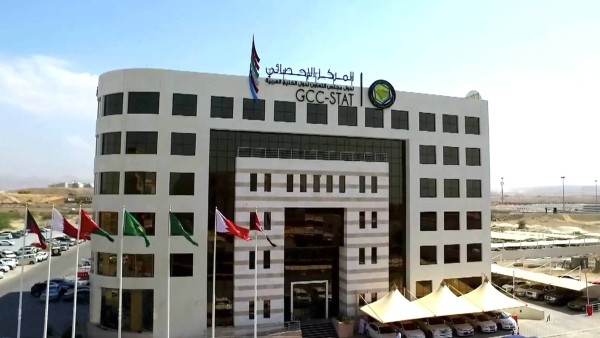
“The Gulf Statistical Center”: Investment in education and capacity building enhances readiness for technological transformations and the labor market
The Statistical Center for the Gulf Cooperation Council (GCC) countries stated on Wednesday that youth in the Gulf region have achieved advanced levels in several technology and communications skills, surpassing their global counterparts.
In a report issued to mark World Youth Day, which fell on August 12, the Center added that these levels “reflect the impact of investments directed toward education and human capacity building, thanks to the increasing attention GCC countries are paying to investing in education and developing youth skills.”
Time and Calendars
The Center noted that investment in education and human capacity building enhances youth readiness for technological transformations and future labor market demands, pointing out that government spending on education in some GCC countries reached approximately 17 percent in 2024, exceeding the global average of 12.6 percent.
It highlighted that technology and communications skills are gaining increasing importance among youth amid the rapid shift toward the digital economy, given the opportunities they provide for empowerment in the labor market, stimulating innovation and entrepreneurship, supporting lifelong learning, as well as their role in protecting privacy and promoting responsible digital citizenship.
The Center emphasized that Gulf youth recorded high performance in file copying skills at a rate of 100 percent, compared to 54 percent globally. Meanwhile, the rate of possessing social media skills reached about 95.2 percent, compared to 68 percent globally. The percentage of youth possessing privacy settings skills stood at 75.9 percent, compared to 34 percent globally.
In the field of information verification, the Center clarified that the rate among GCC youth reached 61.6 percent, compared to 24 percent globally. Programming skills recorded approximately 31.8 percent, compared to 6 percent globally, highlighting the gap in the level of basic and advanced digital skills possessed by Gulf youth.
The Center stated that the focus on investing in education and developing human skills aligns with the GCC countries’ direction toward preparing a generation capable of keeping pace with technological transformations and labor market needs, enhancing youth capabilities with the knowledge and skills that enable them to actively participate in the process of economic and social development.
In this context, it pointed out that these indicators are linked to the Sustainable Development Goals (SDGs), particularly Goal 1 on ending poverty through the target related to the proportion of total government spending on basic services, including education.
They are also linked to Goal 4 on quality education, which aims to achieve a substantial increase in the number of youth and adults possessing relevant skills, including technical and vocational skills, for employment and decent jobs and entrepreneurship by 2030.
It clarified that these data align with the findings of the 2026 Human Development Report regarding the importance of considering different contexts, enhancing global solidarity, investing in youth across various regions, and supporting those facing the greatest obstacles, thereby contributing to ensuring that no young person is left behind in the development process.
The Center’s report concluded that data on technology and communications skills among youth in GCC countries stand out as an important indicator of growing investment in human capital, especially with government spending on education in some GCC countries reaching levels exceeding the global average.
It is worth noting that the Gulf Cooperation Council (GCC) Statistical Center, headquartered in the Sultanate of Oman, was established in 2011 to serve as the official body responsible for data, information, and statistics related to the GCC member states, in addition to its role in enhancing statistical and informational efforts among national statistical centers and planning authorities within the region.
