Operational and commercial surge for 'National Petroleum' at the end of March
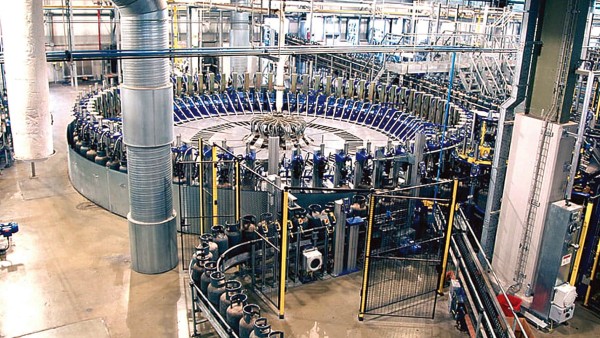
The merger of Al-Shuwaikh and Umm Al-Aish manufacturers triggers a surge in LPG sales to 17 million cylinders
By Najeah Bilal
The recent decision to merge the liquefied petroleum gas (LPG) filling plants under the umbrella of Kuwait Petroleum Corporation (KPC) has triggered a positive shock in the company’s logistical and commercial performance indicators, culminating in a breakthrough at the end of the fiscal year concluding on March 31. According to official data obtained by Al-Siyasa, domestic LPG sales in Kuwait surpassed 17 million cylinders, driven by a leading role played by the Al-Shuwaikh plant, which recorded notable production growth. The plant produced approximately 7,989,195 cylinders (12-kilogram size), achieving a tangible increase of 3.57% compared to the previous fiscal year. This distinction directly impacted the plant’s commercial activity, with local sales growing by 3.32% to reach 7,909,168 cylinders successfully marketed.
In a related development, the same official information confirmed that the Umm Al-Aish plant continued its trajectory of operational and integrated excellence under KPC, recording a record and historic production rate of 9,290,648 cylinders, representing a 2.2% growth over previous periods.
Economic News
Planning for Holiday and Seasonal Events
This production superiority was accompanied by similar commercial performance, as the plant’s sales jumped by 2.2% to reach 9,131,842 cylinders, all distributed to meet the needs of consumers and vital institutions across the country.
These combined figures for the two manufacturers demonstrate the high efficiency now enjoyed by the supply chain following the transfer of the commercial franchise to KPC. This system relies today on a wide and integrated distribution network comprising 83 gas branches, geographically distributed with precision to cover various governorates, ensuring a firm commitment to meeting growing energy demand in line with the state’s future vision of securing clean and sustainable energy for all.
Additionally, a source familiar with the matter told Al-Siyasa that transferring the LPG plants to KPC yielded a comprehensive package of major strategic, operational, and financial returns. This pivotal structural step contributed to enhancing production efficiency, reducing costs, and ensuring supply sustainability in the local market, particularly for cooking gas, which represents the core of daily consumption. The source noted that the first of these gains focused on enhancing operational and production efficiency by unifying management and decision-making, which led to the elimination of procedural and bureaucratic duplication and reduced documentation cycles to accelerate commercial and logistical operations.
Furthermore, the move achieved genuine integration in supply chains by linking filling and distribution processes directly to the company’s main LPG sources in its refineries and major gas projects. This ensures a safe and smooth flow of products without interruption. Moreover, merging the plants granted management exceptional geographical flexibility, enabling it to direct production and instantly exchange supply and logistical quotas between the Al-Shuwaikh plant in the southern region and the Umm Al-Aish plant in the northern region, based on consumption levels, demand fluctuations, and population density across various governorates.
On the financial front, the same source stated that the merger plan contributed to reducing expenditures and curbing financial waste in a tangible manner by lowering and cutting shared costs and consolidating all redundant administrative, logistical, and technical functions under a unified operational umbrella. This had a direct impact on reducing the direct operating and maintenance costs per barrel, alongside the optimal and economical utilization of manufacturers’ infrastructure assets through the exchange of engineering expertise, the adoption of periodic and standardized maintenance plans, and the procurement of spare parts and heavy equipment via collective, cost-saving tenders that maximize the added value of the local refining sector.
