Ministry of Oil's Strategy in Wartime: Worker Safety and Local Market Needs
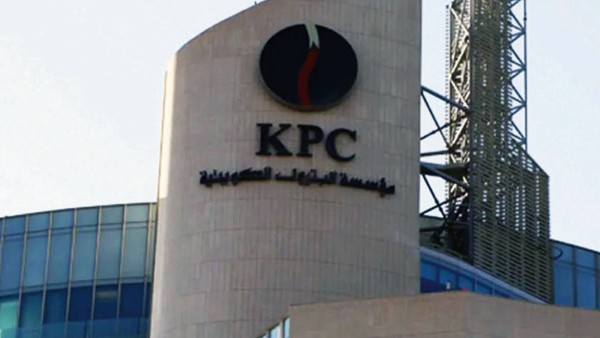
Announcing Force Majeure Based on Transparency with Kuwaiti Clients Risk Management at the Institution Coordinated with Subsidiaries to Activate Business Continuity Plans By Najiha Ballal Following a relative calming of
Translated by Qiyas from السياسة — Original source
Announcing Force Majeure Based on Transparency with Kuwaiti Clients
Risk Management at the Institution Coordinated with Subsidiaries to Activate Business Continuity Plans
By Najiha Ballal
Following a relative calming of tensions and a decisive reading of the strategic landscape of the Kuwaiti oil sector after the reprehensible Iranian attacks that targeted several key facilities, an official report obtained by "Al-Siyasa" revealed the strategic plan devised by the leadership of the "Kuwait Petroleum Corporation" (KPC) to deal immediately with emergency circumstances. The report emphasized that the safety of human resources and national cadres constituted the red line and the absolute top priority at the heart of the field.
Senior management declared a state of maximum alert and activated meticulously planned emergency protocols with operations control rooms, demonstrating rare field expertise and high institutional flexibility that thwarted the crisis dimensions in their infancy.
In a scene embodying the highest standards of efficiency in managing exceptional crises, the report confirmed that the Kuwaiti oil sector continued its immediate and decisive response to physical damage affecting certain assets. Technical teams succeeded in containing those effects and isolating their repercussions with extreme precision to ensure the continuity of vital facility operations and the smooth flow of production wheels with the highest possible flexibility and professionalism. It noted that, in line with national constants aimed at protecting the state’s strategic security, the corporation placed meeting local market needs at the top of its operational priorities, directing all efforts to maintain supply stability and enhance field performance efficiency despite pressing challenges affecting production and refining levels.
The report further stated that, given the difficult circumstances and the imposition of exceptional realities, the corporation responsibly and transparently activated force majeure clauses according to approved contractual frameworks to regulate its obligations before continuing its fulfillment toward its clients in international markets by redirecting supplies and innovating solutions that enhance supply chain flexibility. It reaffirmed the oil sector’s competence and superior ability to protect Kuwait’s interests and national economy under the harshest conditions, consolidating its status as a reliable partner in the global energy system.
The report highlighted that Gulf cooperation ties emerged in their most splendid and purest forms during this crisis amidst the exceptional challenges imposed by the reprehensible Iranian attacks on certain key facilities. The Kuwaiti oil sector did not stop at securing its internal front and containing technical damage with flexibility and high professionalism; rather, its efforts extended in conspicuous harmony with its brothers in the Gulf Cooperation Council (GCC) countries. The Gulf oil system engaged in unprecedented field and logistical coordination to support supply security across the entire region. This practical cooperation materialized in filling gaps and providing available and feasible oil products to support and assist any sister countries or facilities whose infrastructure was damaged. This qualitative move not only helped contain the crisis but also formed a genuine safety valve for the stability of both regional and international markets, confirming that unified decision-making and a single Gulf body are the ultimate guarantee in facing emergency risks.
Regarding readiness and operations, the same report showed that the "Kuwait Petroleum Corporation," represented by its Risk Management Department and in close coordination with various corporation departments and subsidiaries, activated business continuity plans with high efficiency. This ensured the sustainability of operational processes and enhanced readiness to deal with potential risks according to approved preventive procedures and plans.
He noted that these effective steps contributed to enhancing the institution’s capacity to manage the crisis’s repercussions efficiently, mitigate their potential impacts, and ensure business continuity in accordance with the established frameworks, standards, and mechanisms for managing such exceptional circumstances.
Employees across various sectors also demonstrated high levels of professionalism, commitment, and awareness during the crisis management process, which positively reflected on strengthening business continuity, minimizing operational impacts, and ensuring the regular and uninterrupted functioning of most operations.
