South Korea Turns the Page on Dog Meat Trade... Full Ban Begins in February 2027
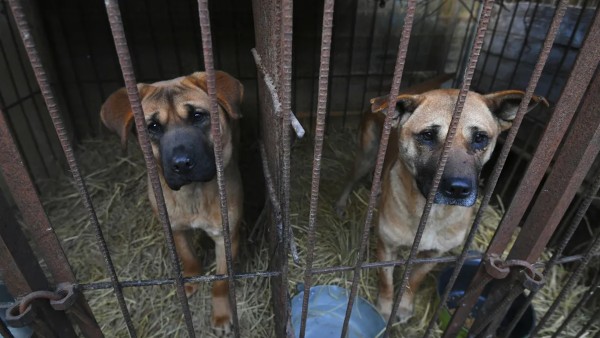
South Korea is preparing to close the curtain on one of the most controversial dietary habits in its modern history, as the final summer approaches before a complete ban on dog breeding, slaughter, distribution, and sale for human consumption takes effect in February 2027.
According to Reuters, yesterday’s Friday, which marked the third day of “Boknal” in 2026, carried special significance this year. Boknal refers to the three days traditionally considered the hottest during the Korean summer, and this year it served as the last summer season before the ban’s implementation. For decades, these days have seen a surge in patronage at dog meat restaurants, fueled by the traditional belief that consuming dog meat helps restore energy and withstand the summer heat.
Technology Companies Governments News
At Moran Market in Seongnam, near Seoul, which was once one of the country’s most prominent centers for the dog meat trade, the scene has changed dramatically. Many establishments have shifted to offering alternative dishes, most notably black goat stew, while most remaining customers ordering dog meat soup are elderly.
Kim Young-bok, head of the Moran Market Traders Association, who has worked in the area for over 40 years, said the market, once bustling with activity, has become quieter as patronage declines and the average age of customers clinging to this tradition rises.
The ban follows years of steady decline in dog meat consumption, coinciding with the growing number of households keeping dogs as pets and shifting societal attitudes toward animal welfare. A survey of 2,000 people conducted before the law’s passage in 2024 showed that more than 90 percent did not intend to eat dog meat in the future, while over 80 percent supported the ban. Approximately 95 percent said they had not consumed dog meat in the previous year.
Government data indicates that the legislation affects more than 5,600 facilities linked to the sector, with the majority of dog breeding farms already closing ahead of the ban’s deadline.
In January 2024, the South Korean parliament passed a law banning the breeding, slaughter, distribution, and sale of dogs for human consumption, granting industry workers a three-year transition period before full implementation in February 2027. Violators face prison sentences and fines. Authorities have also pledged to support farmers, distributors, and restaurant owners adversely affected by the shutdown of their businesses.
For some industry workers, the conviction that change is necessary is mixed with sadness over a profession they practiced for decades. Lee Kang-chun, a restaurant owner and former head of the traders’ association who spent 37 years in the trade, said he views the end of dog meat consumption as an appropriate step given changing societal attitudes and South Korea’s global image, but feels sorrow seeing elderly customers travel long distances for a dish they have eaten for years.
Among customers, attitudes toward the end of this tradition vary. Yoo Jin-sam, 69, said he has eaten dog meat since his early twenties and will miss it after the ban, despite accepting the government’s decision. Another customer, aged 71, said he feels little regret over the dish’s disappearance, asserting that he can simply eat other foods.
