Strategic Restructuring of the 'Agriculture' Sector... The Least Favored in the National Economy
Bilal Najih Recent economic indicators have placed Kuwait’s food security file under a real test, after government reports obtained by “Al-Siyasa” revealed significant fragility in the structure of agricultural investmen
Translated by Qiyas from السياسة — Original source
Bilal Najih
Recent economic indicators have placed Kuwait’s food security file under a real test, after government reports obtained by “Al-Siyasa” revealed significant fragility in the structure of agricultural investment. Foreign direct inflows did not exceed 0.88% of total incoming investments, recording a modest value of only 17,341,446 dinars. This situation prompted a government mobilization to restructure the sector’s strategy.
In light of this timid digital reality for the agricultural sector, a well-informed source told “Al-Siyasa” that the state has placed food security at the top of its strategic priorities. This has driven the formulation of a plan under the new reformist era, focusing on two parallel tracks to compensate for the investment gap: the first involves attracting and localizing major global partnerships, and the second focuses on empowering and supporting national talents and cadres.
Social Sciences
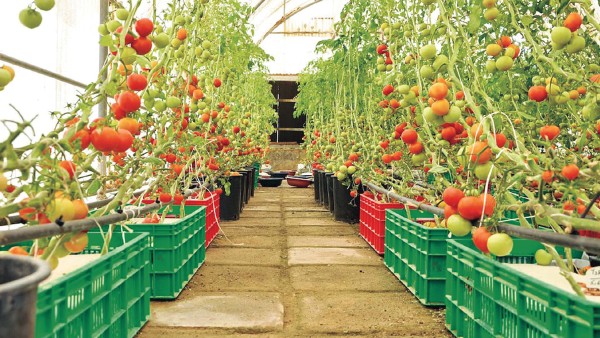
The same source stated that the government’s intensive moves to expand the base of local and foreign direct investments in the agricultural sector are being implemented through a package of innovative mechanisms. These include securing supplies and building flexible plans to mitigate geopolitical risks and disruptions in global supply chains. Additionally, legislation is being updated by preparing a legal and regulatory environment that is more attractive and incentivizing to capital, while directing investments toward knowledge transfer and modern agricultural technologies such as hydroponics and vertical farming.
The source clarified that the new government vision will not be limited to attracting foreign investors; it will coincide with a comprehensive empowerment plan for Kuwaiti farmers. This plan includes providing unprecedented facilities and incentives to ensure increased local production efficiency and enhance the competitiveness of national products, thereby guaranteeing the construction of a sustainable food security system capable of facing emergencies.
He added that the government has paid great attention to citizens and Kuwaiti landowners by providing direct support and facilities. These include facilitating concessional loans through the Kuwait Industrial Bank (Agricultural Portfolio) to finance projects and develop farm infrastructure. Furthermore, land and holdings are being allocated by expanding the distribution of agricultural land according to requirements that ensure actual productivity. The government also supports inputs and national products by providing fertilizers and seeds at subsidized prices and protecting local products at sales outlets to ensure their competitiveness.
The source emphasized the necessity of shifting toward smart agriculture by fully focusing on hydroponic and vertical farming technologies, as well as smart greenhouse farms that neutralize climatic factors and save 90% of water consumption. He also stressed the need to activate public-private partnerships by launching major government projects for the production and storage of strategic commodities, opening the door for local and global companies to manage and develop them.
He concluded that achieving food security in Kuwait requires a comprehensive economic vision that redefines the attractiveness of the agricultural sector. It is inconceivable that investment amounts to only 17 million dinars in a country with substantial financial solvency; this serves as an alarm bell requiring immediate action to transform Kuwait from an importing environment to an exporting one for food products.
Six Objectives for the Agricultural Sector Development Plan in Kuwait:
1. Building a sustainable food security system by securing supplies.
2. Transferring modern agricultural technologies to face climatic challenges and water scarcity.
3. Developing legislation and investment, and amending laws to attract capital.
4. Providing unprecedented incentives for local farmers.
5. Enhancing the efficiency and competitiveness of national products.
6. Modern technologies and climate management: Expanding hydroponic and vertical farming systems.
