Shuwaikh Import-Export Zone... A Platform to Attract Global Shipping
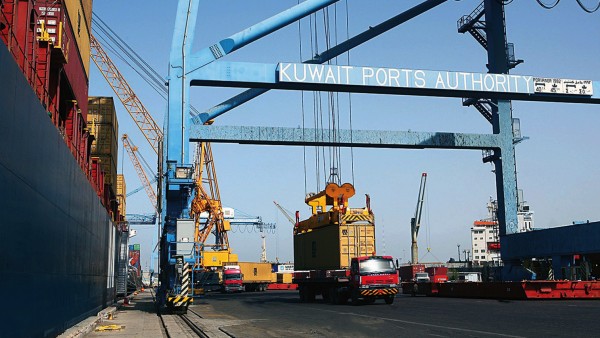
Project completion targeted for 2035 at a cost of 15 million dinars
Annual container volumes at the port to double from 250,000 to 500,000
By Najiha Bilal
In line with the strategic directions of the State of Kuwait aimed at maximizing returns from the commercial sector and enhancing the efficiency of export and import movements, official information obtained by Al-Siyasa has revealed the timeline and financial plan for the “Export and Import Zone and Customs Inspection Project” located in the Shuwaikh West area. Relevant authorities have set 2035 as the final deadline for the full completion of the project.
Official data indicate that the current completion rate of the project stands at 3%, while noting that the total allocated financial cost for its implementation and completion amounts to approximately 15 million Kuwaiti dinars.
The move aligns with the developmental approach pursued by the state to diversify national income sources and reduce reliance on oil, thereby ensuring the strengthening of the state’s general budget and creating sustainable economic streams. Additionally, the project plays a crucial role in doubling the port’s handling capacity and reducing clearance times, particularly as the state seeks through this vital project to achieve a set of strategic, economic, and security objectives.
Sources confirmed that the project will enable an exceptional leap in shipping capabilities by increasing the number of containers arriving at Shuwaikh Port from 250,000 annually to approximately 500,000, thereby fully doubling its handling capacity. The project’s significance also lies in developing the logistics system and updating container and general cargo handling mechanisms, as well as improving storage and release systems outside the port premises. This will provide importers and exporters with greater ease and speed in receiving their goods, thanks to the reduction of customs clearance times to record lows, while also alleviating security burdens and improving traffic flows.
On the field and logistical levels, sources stated that the project plays a key role in streamlining operations inside and outside the port through several objectives, including: securing strategic depth and providing safe storage spaces that ensure the flow of supplies to the state during emergencies and crises; facilitating traffic movement and reducing the density of truck traffic on roads leading to the port; and ending the phenomenon of truck congestion outside the main gates, which will positively impact the speed of ship movements and their internal handling.
Regarding structural sustainability, the project ensures the protection of Shuwaikh Port’s infrastructure from wear and tear caused by heavy traffic and the organized movement of heavy trucks. It will also reduce the high density of visitors, employees, and workers entering the port by relocating inspection and receipt operations to the new area outside the maritime facility.
Sources emphasized that the project’s implementation aligns with global security standards, particularly as the Export and Import Zone project keeps pace with the latest international systems. It fully complies with the requirements of the International Ship and Port Facility Security (ISPS) Code issued by the United Nations, which will help improve Kuwait’s ranking in maritime safety and global logistics indices, and enhance its position as an attractive regional commercial hub for investments.
Sources noted that the project represents a qualitative logistical leap, as it contributes to doubling container volumes and freeing up customs clearance times. They clarified that the direct economic value lies in creating a significant breakthrough in the operational capacity of maritime shipping facilities, enabling Kuwait to absorb and accommodate the growing increase in import and export movements, especially amid the expansion of major commercial partnerships involving the state.
He added that reducing the time required for cargo release directly translates into lower logistics costs and reduced shipping rates, thereby enhancing the competitiveness of Al-Shuwaikh Port as an attractive hub for regional and global shipping lines. This, in turn, positions the port as a dynamic developmental contributor to strengthening the state’s general budget and diversifying revenue sources, in line with the government’s approach to broadening financial streams and combating the dominance of oil, which still accounts for approximately 88% of the country’s total exports.
