Al-Dukhan to Expand the Base of Domestic Labor-Exporting Countries and Open Recruitment from Indonesia
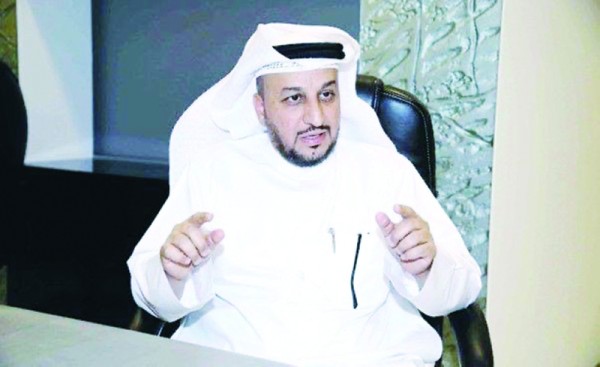
- Emphasized the need to sign more agreements to diversify options for citizens
- Kuwaiti labor law is among the best in the region; we have three memoranda of understanding for recruitment
- Filipinos and Sri Lankans are the most in demand; interest in Ethiopian workers remains limited
- Recruitment costs are 750 dinars for the Philippines and Sri Lanka, and 575 dinars for some African nationalities
Khaled Al-Dukhnan, head of the Union of Domestic Labor Agencies, affirmed that the union continues its efforts in coordination with government authorities and external unions in labor-exporting countries to develop the domestic labor recruitment sector. He stressed the importance of signing more agreements with exporting countries to diversify options for citizens and improve the quality of recruited labor.
Seasonal Holidays and Occasions
Al-Dukhnan explained during an interview with Kuwait Television that the union’s role is to represent agency owners, convey challenges and proposals to relevant authorities—primarily the Public Authority for Manpower—and to hold periodic meetings with recruitment agency unions in labor-exporting countries to discuss cooperation and develop recruitment mechanisms.
He stated that Kuwait’s domestic labor law is among the best in the region due to the balance it provides among the rights of all parties. It safeguards the rights of the domestic worker, the employer, and the recruitment agency. The law regulates working hours, rest periods, and weekly leave, while also guaranteeing end-of-service benefits and travel tickets in accordance with legal regulations.
Al-Dukhnan added that Kuwait currently has three main memoranda of understanding for recruiting domestic labor with the Philippines, Sri Lanka, and Ethiopia, while neighboring countries have a larger number of agreements, giving them broader recruitment options. He emphasized that increasing the number of agreements would help diversify nationalities and reduce challenges facing the local market.
He pointed out that a major challenge for recruitment agencies is the continued fixation of recruitment prices for years, despite rising operational costs, ticket prices, and fees in exporting countries. He noted that the lower commissions received by Kuwaiti agencies compared to those in other countries reduce their competitiveness in attracting younger, better-trained labor.
He continued that foreign agencies prefer dealing with markets that offer higher returns, which negatively impacts the quality of labor arriving in Kuwait. He explained that most available labor currently consists of older age groups, whereas Kuwaiti citizens prefer workers aged between 23 and 34, as they are better suited to the nature of domestic work.
Al-Dukhnan confirmed that the union organizes three to four annual visits to labor-exporting countries to hold meetings with unions and relevant authorities. However, he stressed that signing agreements remains the purview of government authorities and is not within the union’s mandate.
He clarified that the most in-demand nationalities in Kuwait are Filipinos and Sri Lankans, while interest in Ethiopian labor remains limited. He noted that the fixed recruitment cost for the Philippines and Sri Lanka is 750 dinars, while it is 575 dinars for some African nationalities.
He emphasized that employing a domestic worker for someone other than their sponsor or working on an hourly basis outside legal frameworks constitutes a violation of the law. He affirmed that the union reports to the Public Authority for Manpower any advertisements or agencies proven to violate these regulations.
He urged citizens to carefully read recruitment contracts before signing and to comply with all stipulations contained therein, including working hours, rest periods, weekly leave, and end-of-service gratuities, emphasizing that raising awareness of the rights and obligations of both parties helps mitigate disputes.
He noted that complaints regarding non-payment of wages, end-of-service gratuities, or other entitlements are handled by the Domestic Workers Department, which is responsible for reviewing complaints and ensuring that each party receives their legal rights.
He pointed out that Kuwait’s reputation is among the key factors attracting domestic workers, noting that many prefer working in Kuwait due to the society’s courteous treatment and commitment to upholding rights, thereby enhancing the country’s standing among labor-exporting nations.
Emphasizing the importance of adhering to residency laws, he warned against harboring runaway workers, as this constitutes a legal violation punishable by law; those who harbor a runaway worker are considered accomplices to the offense. He clarified that medical examinations for domestic workers are conducted at centers accredited by the Kuwaiti Ministry of Health in exporting countries, covering basic health checks and infectious diseases prior to completing travel procedures to Kuwait.
He indicated that the expected processing time for workers is approximately 20 to 30 days from Sri Lanka, and around 45 days from the Philippines and Ethiopia under normal circumstances, noting that additional procedures or tests may extend these periods.
Al-Duqshan concluded by stressing the need to broaden the base of countries exporting domestic workers, particularly by opening recruitment channels from Indonesia, alongside studying new regulatory solutions that enable agencies to offer more flexible services at lower costs, thereby serving citizens’ interests and aligning with the needs of Kuwait’s labor market.
Proposals from the Union
Al-Duqshan revealed that the Union has submitted several proposals to develop the sector, including:
- Implementing a system that allows for the provision of labor through a rental model via companies.
- Addressing issues related to certain countries, including Indonesia.
