'Arabian Energy' in its Q1 report: The war shock encompassed the global economy
The report showed that the war affected energy supplies and increased global inflation
Translated by Alqyas from Al-Seyassah — Original source
The Arab Organization for Industrialization (formerly OPEC, the Organization of Arab Petroleum Exporting Countries) stated in its first-quarter 2026 report that the current global energy shock is not confined to the Middle East; its effects extend worldwide, as any disruption in supplies quickly impacts the global economy and increases its vulnerability to future shocks.
Furthermore, the prolonged duration of these shocks, coupled with the sustained rise in energy prices, may create favorable conditions for stagflation—a combination of high inflation and weak economic growth. This scenario can undermine the competitiveness of exports, affect government budgets, and complicate the implementation of effective monetary and fiscal policies. The impacts are not limited to energy-importing economies but also affect energy-exporting economies, which may experience shifts in global demand and price volatility.
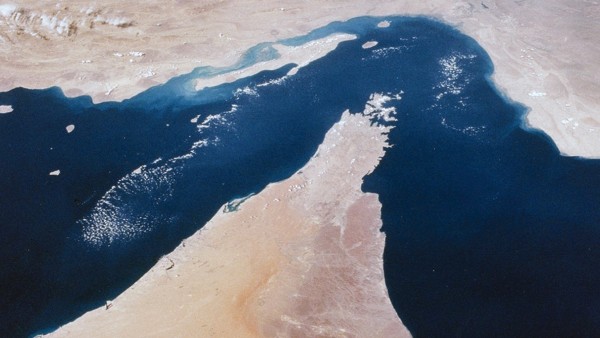
The report noted that, as a result of the war, the Kuwait Petroleum Corporation announced a precautionary reduction in crude oil production and refining operations as part of its adopted risk management strategy and to ensure business continuity. This decision came in light of repeated and reprehensible attacks, including threats to the safe passage of ships through the Strait of Hormuz. Additionally, the crude oil tanker "Salmi," owned by Kuwait Oil Tankers Company, was targeted while located in the "Mukhtaf" area outside the port of Dubai. The report also highlighted attempts to target energy infrastructure in Saudi Arabia, including the Shaybah field, one of the largest crude oil fields with a production capacity of approximately one million barrels per day. Furthermore, Aramco temporarily halted some operational units at the Ras Tanura refinery as a precaution following a targeted attack that caused limited damage.
Regarding the situation in Qatar, the report stated that QatarEnergy declared force majeure on liquefied natural gas (LNG) shipments following attacks on gas facilities in the Ras Laffan area, which caused severe damage to a gas-to-liquids plant. Additionally, one of Babcock Energy’s refinery units in the Kingdom of Bahrain was targeted, and Babcock declared force majeure affecting its operations due to the regional conflict and attacks on its affiliated oil refinery complex.
The report relied on the International Monetary Fund’s World Economic Outlook, published in April 2026, which indicates that the overall impact of regional geopolitical tensions in the Middle East on the global economy can be traced through three main interconnected channels. The first channel involves rising commodity prices leading to a sharp supply-side contraction, as production costs for energy-intensive goods and services—including fertilizers, chemicals, food, and the transport and heating sectors—increase. This results in supply chain disruptions, accelerating inflation, and declining purchasing power.
The second channel focuses on companies’ efforts to offset expected income losses by raising prices and wages.
The third channel involves the reaction of financial markets, where these developments may lead to an escalation in risk aversion.
