Somalia... 'One step away' from famine
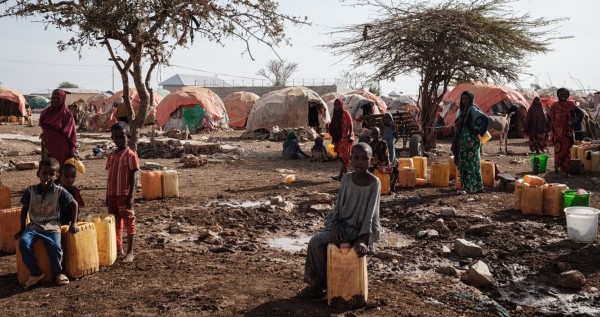
Somalia faces high levels of hunger, with deteriorating nutrition due to funding shortages and adverse weather conditions.
Translated by Alqyas from Al-Seyassah — Original source
Matthew Hollingworth, Assistant Executive Director for Program Operations at the World Food Programme (WFP), said during a press conference held in Geneva via video link from the Italian capital (Rome), that approximately six million people in Somalia, equivalent to one-third of the population, are facing acute levels of hunger, while around 1.9 million children are suffering from acute malnutrition.
Hollingworth explained that Somalia hosts one of the largest hotspots of malnutrition in the world, noting that approximately one million people are currently in Phase 4 of the Integrated Food Security Phase Classification (IPC), the stage immediately preceding famine.
He emphasized that the severe funding shortfall is the most critical factor exacerbating the humanitarian crisis, stating that the WFP and its partners have been forced to significantly scale down their operations, with the number of beneficiaries dropping from over two million last year to a limited number currently.
He added that the UN agency is currently able to reach only “one in every ten people” in need of food assistance, pointing out that several health centers in the Puntland region have closed due to resource shortages, leaving only three operational centers out of the twelve that were active last year.
He noted that global crises, particularly tensions in the Middle East, have contributed to worsening the humanitarian situation due to a sharp rise in food prices by up to 70 percent in some areas, alongside a 150 percent increase in fuel prices, which has disrupted supply chains and increased the cost of delivering aid.
The UN official clarified that Somalia is also facing the repercussions of three consecutive seasons of rainfall deficits, which have destroyed agricultural crops, caused livestock deaths, depleted water sources and livelihoods, especially in Puntland, where water sources have completely dried up and pressure on local markets has intensified.
