'World Immunization Week'... Kuwait Leads in Prevention
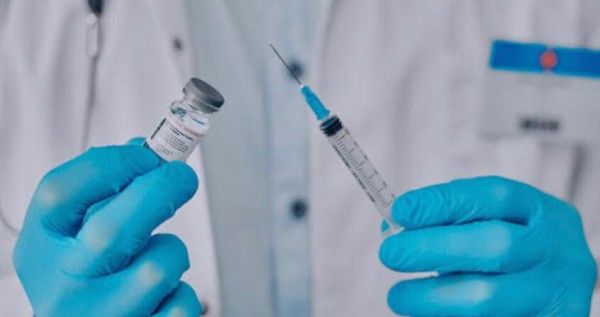
Kuwait participates in the celebration of immunization with the World Health Organization, demonstrating successes in coverage and prevention.
Translated by Alqyas from Al-Seyassah — Original source
“WHO”: Program Saved 150 Million People and Helped Prevent 30 Serious Diseases
Kuwait joins the World Health Organization in celebrating World Immunization Week, held from April 24 to 30, under this year’s theme “Vaccines Work for All Generations,” reaffirming the importance of continuing immunization programs and raising public awareness of their role in protecting individuals, families, and communities, and supporting a more sustainable health future.
The celebration comes as Kuwait continues to consolidate its position in the field of preventive health through advanced and comprehensive immunization programs targeting various age groups, within a national strategy based on prevention and proactive measures against diseases.
The Ministry of Health implements a comprehensive national immunization program starting from birth, covering children, adults, and high-risk groups, relying on a wide network of primary healthcare centers and preventive clinics distributed across all governorates. The program also depends on a comprehensive national vaccination schedule, a precise monitoring and epidemiological surveillance system, and integration with school health services to ensure continuous coverage.
Official data indicate that Kuwait has achieved advanced levels in coverage rates, successfully eradicating polio thanks to vaccination expansion reaching nearly 99 percent, while maintaining high routine childhood immunization rates. These efforts have contributed to limiting the spread of several infectious diseases, reflecting the success of the health policy in adopting a preventive approach that reduces pressure on the health system and enhances its efficiency.
The school health program is one of the most prominent pillars of Kuwait’s immunization system, through regular monitoring of students’ health status, completion of doses according to approved schedules, and early detection of infectious diseases. As part of service development, the Ministry of Health launched an integrated electronic system for school students, aimed at creating a digital health file for each student from the moment of registration, enabling continuous monitoring of their health status throughout their educational journey.
The system relies on conducting medical examinations according to precise standards, issuing health decisions immediately, and linking vaccination records, medical history, and allergies within a unified platform, thereby enhancing the efficiency of healthcare services in schools and accelerating medical response.
On the global level, the World Health Organization emphasizes that vaccines are among the most successful health interventions, having saved more than 150 million people since 1974 and helped prevent more than 30 serious diseases. Modern vaccines continue to expand the scope of protection to include diseases such as malaria, cervical cancer, and cholera, enhancing prevention opportunities and reducing mortality rates, especially among children.
