Five European Countries and Japan Condemn Iranian Attacks on Gulf Infrastructure and Energy Facilities
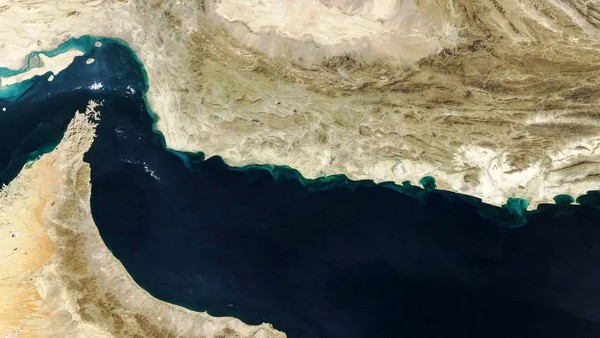
European countries and Japan expressed condemnation of Iranian attacks on Gulf energy facilities and called for an end to threats.
Translated by Alqyas from Al-Seyassah — Original source
Britain, France, Germany, the Netherlands, Italy, and Japan expressed their strong condemnation on Thursday of Iranian attacks on civilian infrastructure, including oil and gas facilities in Gulf states, the de facto closure of the Strait of Hormuz, and the targeting of commercial ships transiting through it.
In a joint statement, the governments of these countries called on Iranian authorities to immediately cease their threats against regional states with drones and missiles, as well as other attempts to close the strait to commercial navigation by laying mines, and to comply with United Nations Security Council Resolution 2817.
They affirmed that freedom of navigation is a fundamental principle of international law, including the United Nations Convention on the Law of the Sea, warning that interference with international maritime navigation and disruption of global energy supply chains pose a threat to international peace and security.
The statement emphasized that the signatory countries, under Resolution 2817, demand an immediate and comprehensive halt to Iranian attacks on infrastructure, including oil and gas facilities.
It confirmed the readiness of the European countries and Japan to contribute to appropriate efforts to ensure the safe passage of ships through the Strait of Hormuz, adding that the signatory countries welcome the commitment of several other countries to develop preparatory plans in this regard.
They also welcomed the International Energy Agency’s decision to allow coordinated releases from strategic oil reserves and to take further steps to stabilize energy markets, particularly through cooperation with some oil-producing countries to increase production.
The 32 member countries of the International Energy Agency unanimously agreed on March 11 to release 400 million barrels of oil from their emergency reserves into the markets in the largest historical drawdown, to address disruptions in oil markets caused by the war in the Middle East.
