Iran's war shakes Gulf markets... Three key factors control the upcoming landscape
Military strikes have impacted Gulf markets and driven up oil prices.
Translated by Alqyas from Al-Seyassah — Original source
Gulf stock markets experienced sharp volatility amid escalating military confrontations in the region, following US-Israeli strikes on Iran and missile attacks targeting several Gulf states. While a wave of heavy selling dominated early trading, some markets began to narrow their losses, supported by expected rises in oil prices and gains in energy stocks.
Saudi Aramco shares rose by approximately 3% during yesterday’s session, helping the Saudi market significantly reduce its losses.
After the general index fell by about 5% in early trading, the Saudi stock market index quickly narrowed its losses to just around 1%, amid strong liquidity activity. Trading volumes exceeded 1.6 billion riyals in the first half-hour of the session, signaling a mix of anticipation and tactical maneuvering by investors.
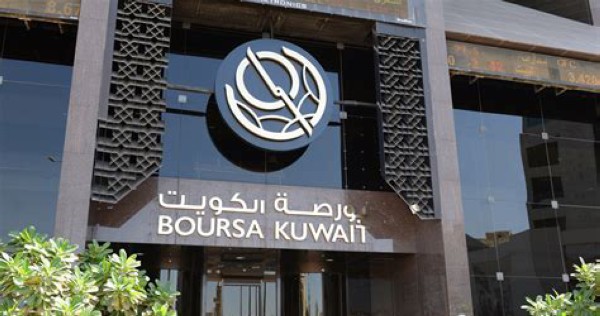
In an exceptional move, the Kuwait Stock Exchange announced the suspension of trading from Sunday until further notice, based on a decision by the Capital Markets Authority, to protect investors’ interests and ensure market fairness under the current circumstances.
The Muscat 30 Index opened yesterday with a decline of about 2%, reaching 7,248 points, in the first session following the military strikes, compared to Thursday’s close at 7,393 points.
This decline reflects the caution prevailing among investors as security risks escalate and the possibility of the confrontation widening grows.
Qatar’s stock exchange and financial institutions suspended operations yesterday in observance of the country’s Banks Day. The Qatar Central Bank had announced that financial institutions, including the Qatar Stock Exchange, would resume operations today, Monday.
Barclays Bank raised its Brent crude oil price forecast to around $100 per barrel, up from $80 a few days ago, warning that markets could face a supply disruption scenario amid deteriorating security conditions in the Middle East.
Rising oil prices have a dual impact on Gulf markets: they support government revenues and energy stocks, but simultaneously increase inflationary risks and pressure global markets.
These developments follow attacks targeting Iran and Tehran’s response by launching missiles at Israel and several Gulf states, heightening fears that the conflict could expand into a prolonged regional confrontation.
Analysts believe Gulf markets are currently facing three main factors: short-term volatility driven by geopolitical risks, strong support from rising oil prices for energy stocks and government revenues, and increased investor sensitivity to any security developments or supply disruptions.
Given this complex equation, market movements remain contingent on developments in the military situation and oil prices, suggesting that volatility is likely to persist in the short term.
