OPEC Secretary General: Oil to Remain Primary Energy Source for Coming Decades
Press coverage 1 newspapers covered this event: KUNA →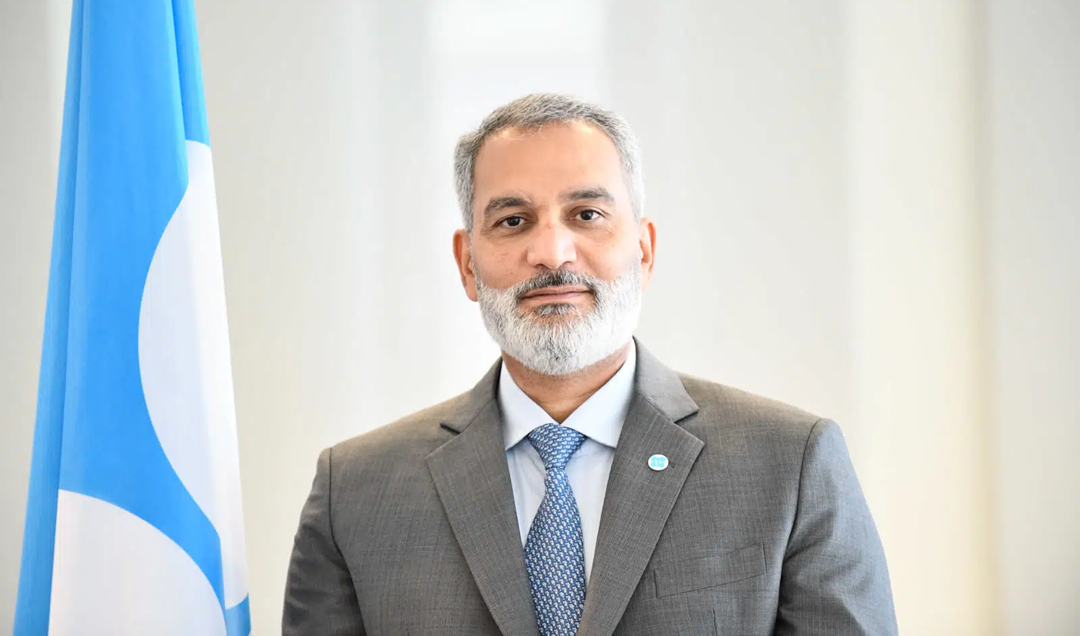
OPEC Secretary General confirms oil is essential amid expansion in electricity
Translated by Alqyas from Sarmad — Original source
OPEC Secretary-General Haitham Al-Ghais said on Wednesday that oil will remain a primary energy source for decades to come, even as other energy sources and electricity expand in the future.
His remarks came during a speech delivered by Al-Ghais on Wednesday at the 31st session of the Conference of the Parties (COP31) to the UN Framework Convention on Climate Change, held in the Turkish city of Antalya.
Al-Ghais emphasized the importance of ensuring the stability of global energy supplies and enhancing their resilience to shocks, noting that energy security cannot be overlooked, especially in light of current geopolitical developments.
He stated that the pillars of energy security are foresight, realism, and investment—factors that provide the energy system with the necessary flexibility to address various geopolitical repercussions.
He added that the foundation of these pillars lies in the reality that the world is currently living, and will continue to live, in an “era of all energy sources,” rather than undergoing a transition from one energy epoch to another.
He noted that the Paris Agreement on Climate Change calls for climate actions to reduce global emissions, not for selecting specific energy sources or excluding others.
He pointed out that the expansion of electricity use reinforces the need to embrace the concept of an “era of all energy sources,” explaining that although electricity is a key element of the future energy mix, it relies heavily on oil and its derivatives.
He highlighted that expanding electricity networks requires additional petroleum products and derivatives, as well as heavy equipment powered by diesel, stressing the need to fully assess the repercussions of policies related to the expansion of electricity use.
He noted that the significant increase in electrical equipment will generate unprecedented amounts of electronic waste, while also posing new challenges related to energy security, cyberattack risks, supply chains, and the potential for bottlenecks in the supply of critical minerals.
Al-Ghais stressed that, despite its importance, the expansion of electricity use does not constitute a comprehensive solution to the environmental challenges facing the world, emphasizing that achieving energy security requires leveraging all energy sources.
He said that all energy sources are essential to achieving sustainable development goals, taking into account differences in countries’ national circumstances and capacities, and considered that selecting or prioritizing certain energy sources to the exclusion of others is not a realistic option.
He clarified that this is particularly important given that around two billion people worldwide still rely on harmful fuels and technologies for cooking, while approximately 655 million people remain without access to electricity.
He pointed out that these figures are not mere statistics but reflect genuine human suffering, as the benefits of energy, now widely available in many parts of the world, remain out of reach for millions of people.
He stressed that completely eliminating energy poverty requires utilizing all energy sources, citing liquefied petroleum gas (LPG) as a direct byproduct of crude oil refining that provides modern cooking solutions.
He underscored the importance of technological innovation and investment across various energy sources, alongside providing adequate financing to developing countries to support just transition pathways in parallel with the implementation of climate policies.
Al-Ghais explained that OPEC member states are working to improve energy efficiency and develop carbon capture, utilization, and storage technologies, as well as hydrogen and the concept of a circular carbon economy.
He added that the concept of “integrating all energy sources” offers an opportunity to ground policies in these realities, thereby contributing to the enhancement of international cooperation, supporting multilateral action, and making the necessary efforts to ensure universal access to energy.
