Arab Planning Center: Current Regional Challenges Require Balanced Economic Policies and Greater Adaptability - Sarmad
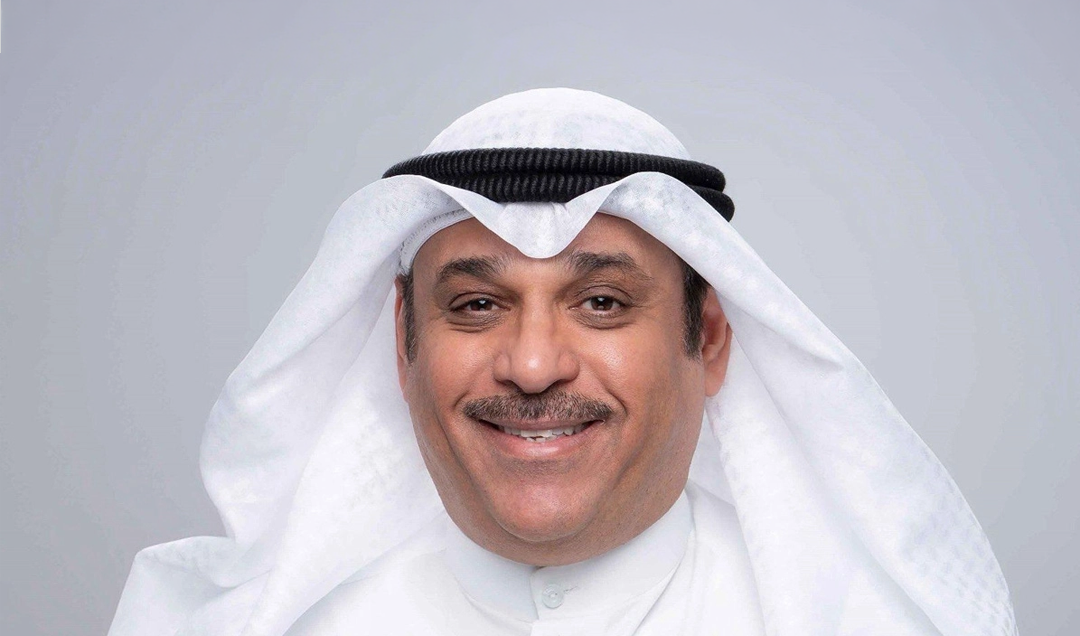
The joint seminar between the Institute and the IMF discusses economic prospects and coping with uncertainty.
Translated by Qiyas from سرمد — Original source
The Director General of the Arab Planning Institute, Dr. Adel Al-Waqian, said on Tuesday that current challenges present the region’s economies with critical choices requiring balanced economic policies, a long-term strategic vision, and greater capacity to adapt to changes.
This came in a speech delivered by Al-Waqian during the opening of a joint seminar between the Institute, the International Monetary Fund (IMF), and the IMF’s Middle East and Central Asia Department (MECD), hosted by the Institute under the title “Middle East and North Africa Economic Outlook: Navigating Uncertainty, Building Resilience, and Unlocking Growth Prospects.”
Al-Waqian emphasized that enhancing economic diversification, improving the efficiency of public spending, and building fiscal buffers are fundamental pillars for strengthening resilience and achieving sustainable economic growth.
He noted that the seminar aims to review key findings from the IMF’s World Economic Outlook report, which projected global economic growth of 3.1 percent this year despite the geopolitical and economic challenges the world has faced.
He clarified that the global economy has demonstrated a better-than-expected capacity to absorb the repercussions of the war in the Middle East and the closure of the Strait of Hormuz, benefiting from the rerouting of shipping lanes, the use of oil stockpiles, and lower energy consumption intensity compared to past decades.
He pointed out that these developments were not merely external shocks for Gulf Arab countries, but their effects directly impacted the region’s economies. Before the outbreak of the war, about a quarter of global seaborne oil trade passed daily through the Strait of Hormuz. Oil prices peaked at $126 per barrel by the end of March, with an average price expected to reach around $96 during the year.
He mentioned that other Arab economies are suffering from the repercussions of conflicts and disputes, including Sudan, Yemen, Lebanon, the West Bank, and the Gaza Strip, where the impacts of these crises extend beyond economic indicators to affect individuals’ lives, livelihoods, and future opportunities.
Al-Waqian stressed that policy recommendations hold particular importance for countries in the region. He stated that beneficiary countries of rising commodity prices should avoid expanding public spending in line with the economic cycle and instead direct additional revenues toward strengthening reserves and fiscal buffers or investing in projects with high economic returns.
He noted that oil-exporting countries affected by conflicts should consider providing temporary support to non-oil activities, while oil-importing countries face the challenge of protecting the most vulnerable groups from rising living costs while maintaining the sustainability of public finances.
The event, moderated by Dr. Salem Nashi, Resident Advisor at the IMF’s Middle East and Central Asia Department, included an intervention by Dr. Belqasim Al-Abbas, Senior Advisor at the Arab Planning Institute in Kuwait, and concluded with questions from participants both in person and online.
