Kuwait: Government partnership framework to drive development and strengthen institutional integration
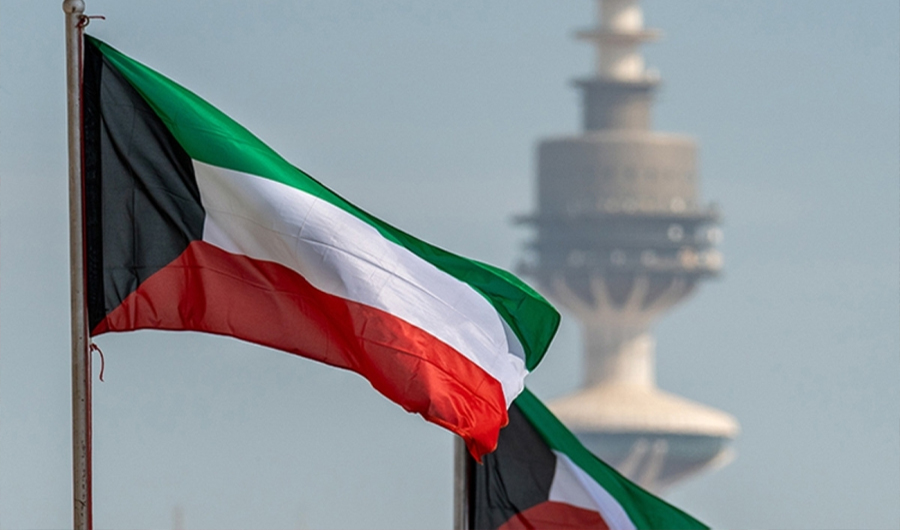
Kuwaiti ministries launch a strategic partnership framework in 2026
Translated by Alqyas from Sarmad — Original source
Since the beginning of 2026, Kuwaiti government ministries and entities have launched a strategic government partnerships framework, consisting of a series of agreements and memoranda of understanding (MoUs). This initiative aims to strengthen coordination ties, consolidate institutional integration, and enhance role synergy with the private sector and development institutions.
The signed agreements aim to advance the development agenda, improve government performance efficiency, and boost the country’s competitiveness in international indicators. The package covers a range of strategic pillars, including digital transformation, energy security, environmental sustainability, human development, and social care.
In the realm of comprehensive digital transformation, the Ministry of State for Communications and Information Technology signed an MoU with E-Portal Holding Company, a subsidiary of Kuwait Telecommunications Company (STC), to support the development and launch of additional digital government services through the unified government application for electronic services, "Sahl."
Furthermore, an MoU signed by the Public Authority for Communications and Information Technology (PACT) with Huawei Kuwait establishes a framework for cooperation in several priority areas, including the exchange of expertise and knowledge, exploring applications of artificial intelligence, cloud computing, and advanced fifth-generation (5G) technologies, as well as supporting innovation, building national capacities, and developing specialized competencies.
Concurrently, the Ministry of Defense signed a protocol with the Central Agency for Information Technology (CAIT) to enhance cooperation in digital transformation and develop a data and information exchange system among government entities. This aims to strengthen integration among these entities, aligning with the strategic objectives of the Ministry of Defense and improving government services.
Additionally, CAIT and the General Secretariat of the Private Universities Council signed a cooperation agreement aimed at expanding areas of joint work and leveraging technical solutions to support digital transformation and service development. The agreement includes strengthening cooperation in technical fields, exchanging expertise, and utilizing available resources to simplify procedures, develop services, and enhance institutional efficiency.
In parallel with these efforts, proactive steps were taken to support the investment climate and the business sector. The National Fund for the Care and Development of Small and Medium Enterprises (SMEs) signed a strategic MoU with Kuwait Credit Information Network Company (CINET) to enhance credit transparency and support the growth of SMEs through integrated credit information exchange.
The Ministry of Finance also signed a cooperation protocol with regulatory authorities, represented by the Ministry of Commerce and Industry, the Central Bank of Kuwait, the Capital Markets Authority, and the Insurance Regulatory Unit, to strengthen institutional coordination regarding information exchange for tax purposes.
Integration efforts extended to energy security and environmental sustainability. Kuwait Petroleum Corporation (KPC), the Ministry of Electricity, Water and Renewable Energy, and Kuwait Oil Company (KOC) signed an MoU to establish a combined heat and power (CHP) plant in the Arqa area.
This strategic project enhances integration between Kuwait’s oil and energy sectors to ensure optimal resource utilization. The new plant is expected to provide the steam required for heavy oil production operations in the South Rataqa field, supporting the plan to gradually increase production to approximately 120,000 barrels per day.
This was accompanied by the signing of an agreement by the Public Authority for Public-Private Partnership Projects for the Al-Zour North Power Plant and Desalination Project (Phases II and III), reflecting the government’s direction to deepen partnerships with the private sector.
The project represents one of the cornerstone initiatives within the state’s strategy to meet the growing demand for electricity and water, and to enhance readiness to keep pace with the requirements of sustainable development and future projects.
The Public Authority for Environment signed a memorandum of cooperation with the Public Authority for Youth and Sports to launch the first national system for measuring and improving environmental performance in clubs, centers, and youth and sports facilities.
Furthermore, the Environment Authority signed two memoranda of understanding with the Arab Open University and the Scientific Center, aimed at enhancing cooperation in areas of environmental protection, sustainable development, and the preservation of biodiversity and its natural habitats in the State of Kuwait.
The agreements, which focused on education, sports, and talent care, reflected the government’s expansion in investing in human capital and supporting innovation. A joint cooperation protocol between the Ministry of Education and the Ministry of State for Youth and Sports Affairs strengthened their partnerships in school sports and the development of sports programs and activities targeted at students.
The agreement signed by the Ministry of Higher Education and Scientific Research with the Dataflow Group supported the direction to enhance the efficiency of procedures for verifying academic qualifications and expedite their completion.
For its part, the Ministry of Education signed a cooperation protocol with the Ministry of Justice to strengthen educational and legal aspects, thereby contributing to improving institutional efficiency.
Kuwait Airways signed a memorandum of understanding with the American University in Kuwait (AUK), aiming to enhance joint cooperation in academic, training, and professional fields, as well as program development.
In the same context, the Sabah Al-Ahmad Center for Talent and Creativity, one of the centers under the Kuwait Foundation for the Advancement of Sciences, signed a memorandum of understanding with the American International University (AIU) to support talented and creative individuals and promote a culture of innovation in the State of Kuwait.
The modern partnership network did not overlook service and social aspects; Kuwait Airways signed two strategic partnership agreements with Talaa and Dima, installment payment companies, to provide travelers with the option to divide the cost of air tickets into four equal installments without additional profits or fees, facilitating travel for passengers.
In the realm of community and psychological care, the Supreme Council for Family and Childhood Affairs signed a memorandum of understanding with Dawei, a platform specializing in online psychological counseling, to provide psychological support sessions for those facing pressures due to the exceptional circumstances affecting Kuwait and the region.
In the path of enhancing the protection and preventive security system, the Kuwait Institute for Scientific Research signed a memorandum of understanding with the Ministry of Defense, represented by the National Committee for the Prohibition of Chemical Weapons; the aim is to enhance scientific and technical cooperation in the field of chemical security.
In a step aimed at enhancing cooperation and coordination in combating money laundering, related crimes, and terrorist financing, the Financial Investigations Unit signed memoranda of understanding with both the Public Authority for Industry and the Ministry of Finance to exchange information in this field.
The Kuwait Institute for Judicial and Legal Studies signed a memorandum of understanding with the Ministry of Interior, focusing on enhancing cooperation and exchanging experiences, expertise, and information in the field of training, and utilizing the means and capabilities available to each party, with the goal of forming national cadres of high efficiency.
These diverse partnerships reflect the government’s orientation toward consolidating a more integrated model of public-sector work, based on unifying efforts, exchanging expertise, and leveraging national capacities.
They also highlight the importance of partnering with the private sector and academic and research institutions to accelerate the implementation of development priorities and keep pace with technological, economic, and environmental transformations.
Activating these memoranda of understanding and translating them into practical initiatives and programs remains the cornerstone for achieving tangible results that contribute to enhancing public services, improving the efficiency of government institutions, and strengthening Kuwait’s position and competitiveness at both regional and international levels.
During the meeting held on October 20, the Council of Ministers stressed the importance of continuing coordination among government entities and integrating efforts to implement national priorities and support state initiatives, thereby enhancing the efficiency of government procedures and bolstering the country’s competitiveness in international indices and reports.
