Egypt Signs $1 Billion Financing Agreement with the World Bank to Support Economic Reforms - Sarmad
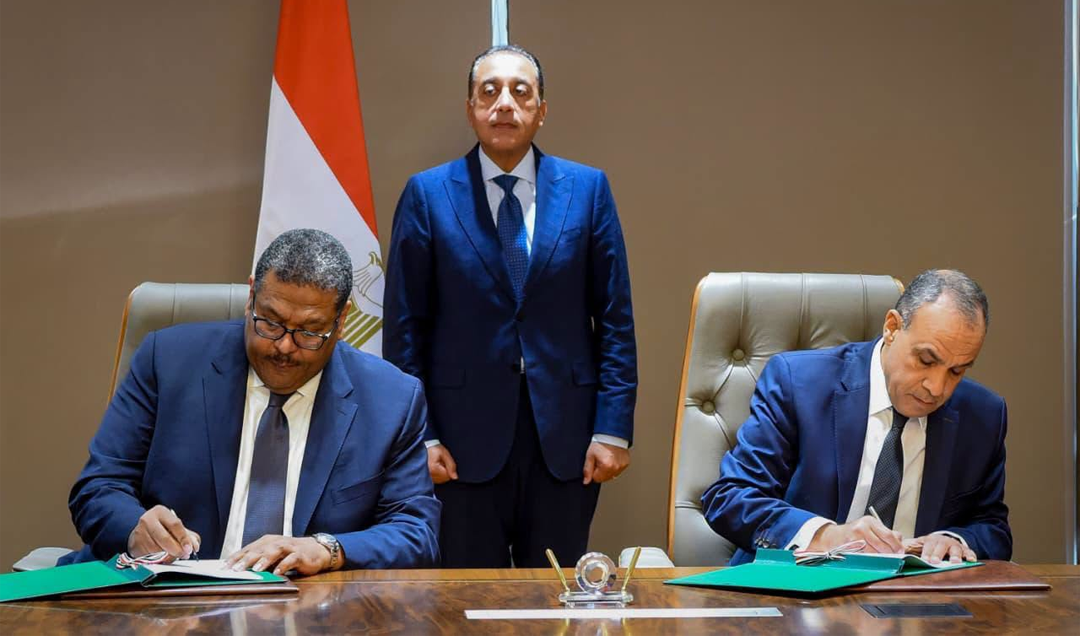
Egypt signed a $1 billion financing agreement with the World Bank to support structural and economic reforms in the second phase of the program.
Translated by Qiyas from سرمد — Original source
Egypt signed a financing agreement with the World Bank on Sunday, as part of the second phase of the Policy Financing for Development program, aimed at supporting structural reforms and enhancing the Egyptian economy’s capacity to withstand external shocks. This agreement is part of a financing package approved by the Bank last May totaling $1 billion.
The signing ceremony was attended by Egyptian Prime Minister Mostafa Madbouly. The agreement was signed by Badr Abdelatty, Egypt’s Minister of Foreign Affairs, Cooperation with International Partners, and Egyptians Abroad, and Governor of Egypt at the World Bank, alongside Al-Waleed Al-Attabi, the World Bank’s Regional Director. Also present were Ahmed Rustom, Minister of Planning and Economic Development, and Yasser Sobhy, Deputy Minister of Finance.
The agreement falls under the second phase of the Policy Financing for Development (DPF) program, which is part of the “Building Resilience, Creating Opportunities, and Enhancing Wealth for Egypt’s Prosperity and Stability” initiative. It focuses on improving the investment climate, strengthening the role of the private sector, enhancing public financial management efficiency, and supporting the transition toward a green economy.
Concessional Financing to Strengthen Economic Resilience
Egypt’s Foreign Minister stated during the signing ceremony that the agreement aligns with the state’s efforts to expand cooperation with international and regional financing institutions, and to mobilize concessional development financing to support the economy and enhance its competitiveness, amid ongoing economic challenges, geopolitical tensions, and their repercussions on the global economy.
Abdelatty added that the agreement reflects Egypt’s progress in implementing economic and institutional reforms, particularly those related to expanding private sector participation in economic activity, removing investment barriers, and improving the efficiency of public financial resource management.
The Egyptian government is betting on these reforms to strengthen the economy’s ability to absorb external shocks, consolidate sustainable economic growth, and support the transition toward economic activities more aligned with environmental standards.
$1 Billion to Support Structural Reforms
The World Bank Group Board of Directors approved in May 2026 to make available total financing of $1 billion under the program, to support the Egyptian government’s efforts in implementing structural reforms and achieving national development priorities.
According to the Egyptian Ministry of Foreign Affairs, the approval of the financing reflects international institutions’ confidence in the Egyptian economy’s ability to continue implementing reforms, improving the business environment, enhancing macroeconomic stability, and boosting economic competitiveness.
The agreement signed on Sunday represents the second tranche within a series of three Policy Financing for Development operations provided by the World Bank to Egypt under concessional terms, as part of support for the economic reform program.
Policy Financing for Development differs from financing allocated to direct investment projects, as it aims to support the implementation of economic and institutional policies and reforms adopted by the government, thereby contributing to improved economic efficiency and creating a more conducive environment for investment and growth.
Private Sector and Public Finance at the Forefront of Priorities
The program is built on four main pillars: enhancing job creation driven by the private sector, improving the management and sustainability of public finances, protecting vulnerable groups, and accelerating the transition toward a green economy.
The pillar on private sector participation holds particular importance given the Egyptian government’s efforts to expand the contribution of private investments to economic activity by addressing regulatory and institutional obstacles and improving the business climate.
The public finance pillar also aims to enhance the efficiency of managing government resources and strengthen their sustainability, thereby supporting the state’s capacity to withstand economic and financial pressures while maintaining social protection programs for the most vulnerable groups.
As for the green transition, it represents one of the reform pathways supported by the program, in line with the shift toward a more sustainable economic model capable of addressing environmental challenges.
The signing of the agreement reflects Egypt’s continued reliance on concessional development financing as one of the tools supporting economic reforms. The program’s effectiveness will remain linked to the extent to which institutional and financial reforms translate into tangible improvements in the investment climate, increased private sector participation, and job creation.
