Goldman Sachs: Oil Shipping Costs Jump Sevenfold - Sarmad
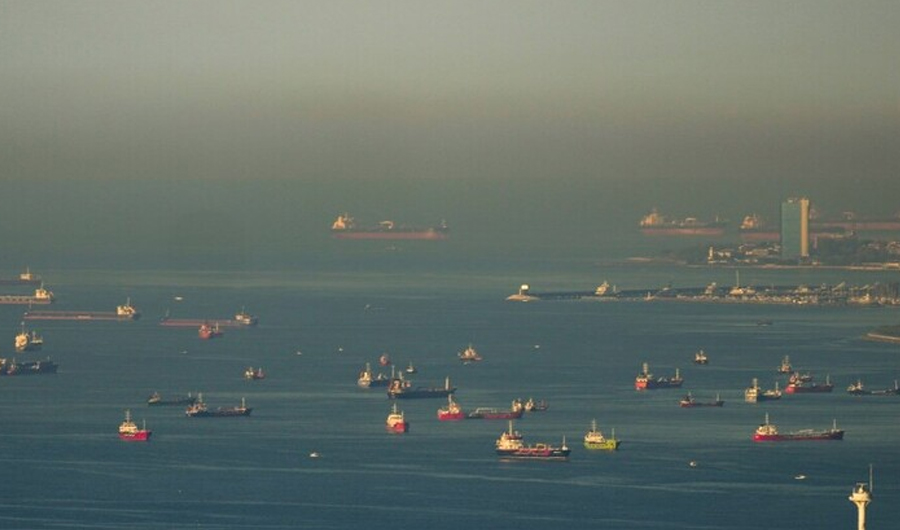
A Goldman Sachs report indicates that oil shipping costs have surged sevenfold due to Middle East escalations and their impact on crude prices and global trade.
Translated by Qiyas from سرمد — Original source
Global oil shipping costs surged nearly sevenfold over the past year, driven by the fallout from the Middle East conflict, according to a recent report by Goldman Sachs Group.
In a research note prepared by analysts including Yulia Jestkova Gregsby, the average cost of transporting a barrel of crude oil exceeded $20, up from just around $3 a year ago.
A significant portion of this sharp increase is attributed to a “war risk premium” in the Strait of Hormuz, which adds approximately $7 per barrel. Higher fuel costs contribute an additional $4, while ship-to-ship transfer operations add another $4 per barrel.
Analysts warned that sustained high shipping rates could increase the likelihood of Brent crude prices exceeding current forecasts. This warning stems from the risk of escalating attacks on ships, potential damage to oil infrastructure, and the persistence of high geopolitical risk premiums.
This caution comes despite the bank’s base-case scenario, which anticipates Brent crude falling to $90 per barrel by year-end.
Escalations and the conflict between the United States and Iran have disrupted global shipping markets following attacks on several vessels in the Gulf. At the onset of the crisis, shipment volumes passing through the Strait of Hormuz dropped sharply before recovering later, albeit under a different operational pattern: smaller vessels now transport cargo through the contested waterway, offloading their loads onto larger tankers for delivery to refineries.
Currently, about one-sixth of the tankers near the Strait of Hormuz and the Gulf of Oman are exclusively engaged in these ship-to-ship transfers.
On a broader scale, analysts noted that rising crude oil shipping costs could “limit total refinery demand for crude, given the higher actual cost of oil after accounting for transportation expenses.”
They added that “refineries may also seek geographically closer suppliers, potentially reshaping existing global trade patterns.”
The note concluded by stating that the factors supporting higher crude shipping costs “will largely remain in place as long as the Middle East conflict continues in its current state.”
