Study: Immune Indicators in Blood May Aid Early Detection of Lung Cancer - Sarmad
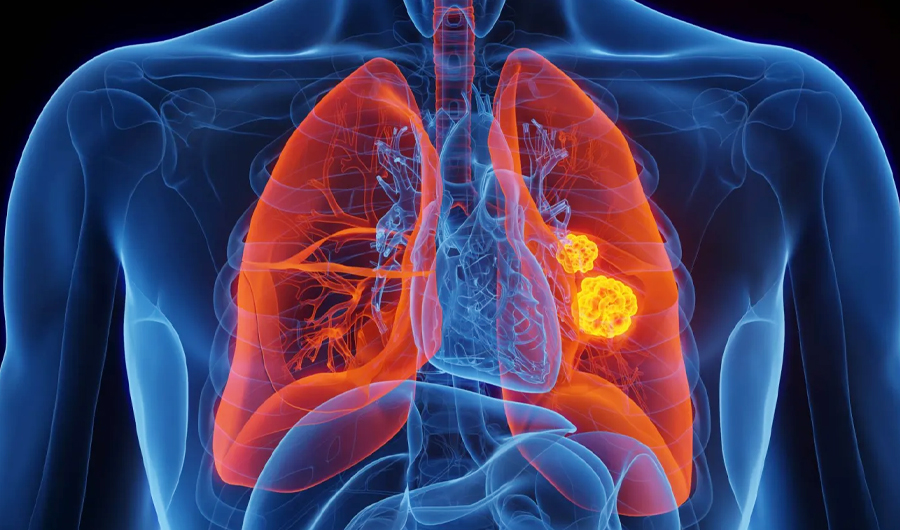
A recent scientific study has shown that monitoring subtle changes in the immune system could help identify early indicators of lung cancer risk before tumors form, paving the way for the development of new early detection methods.
The US science website “No Ridge” reported that researchers from University College London observed the accumulation of a specific type of immune cell, associated with disrupted immune responses, in changes they described as “immune fog.” The study’s findings were published in the journal Nature and revealed that these changes leave measurable biomarkers detectable through blood tests.
The researchers explained that tracking these markers could help identify individuals at higher risk, and lay the groundwork for developing blood tests that detect early changes linked to the disease before abnormal cells develop into tumors.
Preliminary animal trials showed that an experimental treatment targeting this mechanism halved the tumor incidence rate, according to the study’s results. However, further research is still needed to assess the treatment’s safety and efficacy, and to verify its applicability in humans.
These findings highlight the importance of studying immune changes in the early stages of cancer development and their potential use in developing new detection methods and enabling timely intervention.
