$100,000 Monthly for Oil Tanker Captains to Navigate the Strait of Hormuz - Sarmad
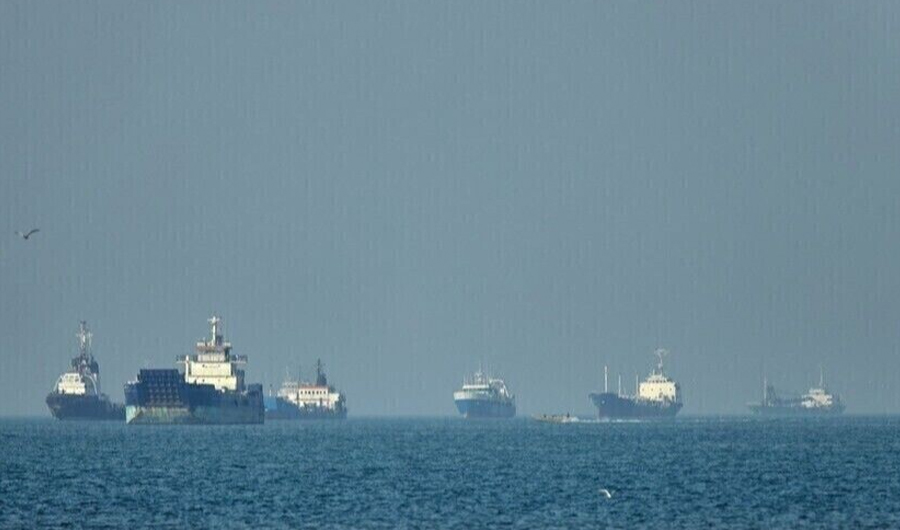
A report by the Financial Times stated that oil tanker captains in the Gulf region are receiving astronomical salaries of up to $100,000 per month, plus bonuses of $50,000 per voyage, for transiting the Strait of Hormuz.
This comes amid escalating Iranian attacks on commercial ships.
These sums, described by shipowners as “danger money” according to the Financial Times, represent a desperate attempt to persuade sailors to remain on board, while Gulf states make strenuous efforts to maintain the flow of crude oil supplies through this vital waterway.
Sources close to tanker owners and crews revealed a massive gap in the current wage structure. While ordinary sailors’ salaries start at $1,500 per month and a typical captain earns around $15,000, these figures multiply significantly when sailing in the southern Red Sea and the Gulf of Oman.
However, the biggest jump occurs during the transit of the Strait of Hormuz, where sailors receive at least four to six times their usual salaries.
Since most voyages through the strait are conducted by tankers on regular “shuttle” trips, these sailors can earn these huge salaries for consecutive months, despite the serious risks posed by missile and drone attacks.
In a stark reflection of the danger of sailing through these passages, sailors who risk these voyages are viewed “almost as mercenaries,” according to one informed source.
The region is currently experiencing one of the most intense periods of attacks since the US and Israeli strikes on Iran ignited the war last February.
In this context, the maritime security company Vanguard noted at least 14 attacks since September 20, including four ships hit since Saturday alone.
These escalating risks have led to unprecedented jumps in shipping costs, with prices for transiting this contested passage reaching a record high of $1.3 million per day this week, compared to just $20,000 to $50,000 per day last year.
Although a round trip into the Gulf, loading, and exiting usually takes about four days, very few ships are willing to undertake this adventure.
Manoj Yadav, General Secretary of the Advanced Marine Union of India, warned of practices by some owners who either offer huge wages or pressure unwilling crews by threatening to replace them and deducting the cost of their repatriation from their salaries if they refuse.
Official figures reveal the scale of the humanitarian tragedy in these passages; according to the International Maritime Organization, at least 93 ships have been hit since February 28, resulting in the deaths of 24 sailors.
