Egypt: Renowned doctor proposes removing organs from those sentenced to death - Sarmad
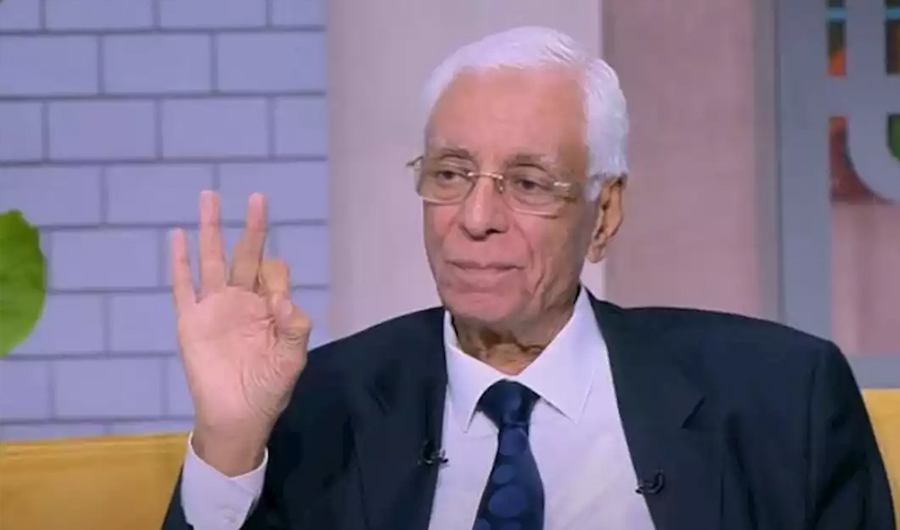
Dr. Hossam Mouwafi, a professor of critical care medicine at Cairo University, raised a controversial question regarding the possibility of utilizing organs from individuals sentenced to death to save the lives of patients in need of organ transplants.
Mouwafi, a renowned physician and one of the most prominent media figures, called on the Attorney General and the Grand Imam of Al-Azhar to provide their opinions on this matter.
During his television program on “Sada El Balad” channel, Mouwafi discussed organ donation and the permissibility of individuals disposing of their own organs. He noted that while human organs are originally a gift from God, religious scholars, jurists, and doctors have unanimously agreed on the permissibility of organ donation, based on the principle of saving human life, citing the Quranic verse: “...whoever saves a life, it is as if he had saved mankind entirely.”
Regarding his proposal concerning those sentenced to death, Mouwafi stated: “I have a question posed to the Attorney General and the Grand Imam of Al-Azhar: Should we take the organs of a person sentenced to death before he dies? Is this permissible or forbidden? Is it legal or illegal?”
He based his proposal on the fact that a person sentenced to death will ultimately lose his life, whereas his organs could contribute to saving other patients. He pointed out that a single individual could provide two kidneys, two lobes of the liver, a heart, and two corneas, potentially saving numerous patients.
The medical professor questioned whether it would be possible to obtain organs from a condemned individual before the execution is carried out, considering that this could open a door to saving other patients. He presented the issue as a matter requiring definitive religious and legal resolution.
Mouwafi asked again: “For those who have received death sentences, shouldn’t we donate all their organs? A very large number of people would be saved. Is this humane or inhumane? Is it legal or illegal?” He emphasized the necessity of obtaining the opinion of the competent authorities on the matter.
