Study: Retinal images may help estimate biological aging rate - Sarmad
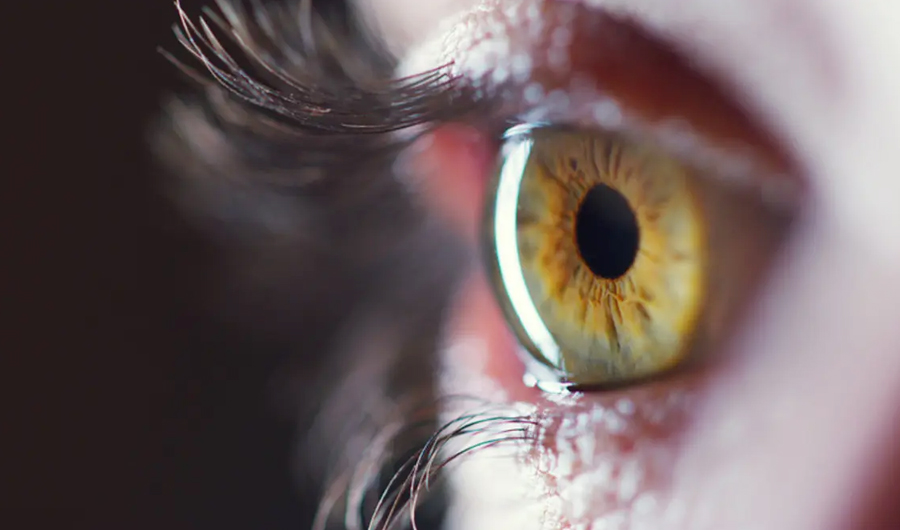
A recent study conducted by researchers at Seoul National University suggests that analyzing retinal images using artificial intelligence techniques could provide a rapid, non-invasive method for estimating differences in the pace of biological aging among individuals.
According to the scientific website Science Daily, the study, published in the journal GeroScience, relied on a technique the researchers termed the “retinal age gap.” This method uses retinal images to estimate a person’s chronological age and then compares this estimate with their actual age to identify indicators that may be associated with the rate of biological aging.
The study included 29,530 retinal examination images from 7,535 individuals, while the researchers tested the model using an additional 14,832 images from 7,416 individuals.
The results showed that the model was able to estimate chronological age with a mean error ranging between 2.5 and 2.7 years, an accuracy that matches or exceeds that of previous models based on retinal images.
The researchers found an association between elevated aging indicators detected by the model and certain health and lifestyle factors. Specifically, diabetes was associated with an increase of approximately 2.52 years in the indicator, current smoking with an increase of 0.5 years, former smoking with 0.46 years, macular degeneration with 0.6 years, and cataracts with 1.86 years.
The researchers noted that the relationship between cataracts and the elevated indicator may be partly attributable to image blurring caused by the disease, rather than necessarily reflecting accelerated aging of the retina itself.
The study incorporated images of both healthy eyes and those affected by retinal or optic nerve diseases into the model’s training data, aiming to improve the technique’s accuracy compared to previous studies that relied more heavily on images of healthy eyes.
The researchers explained that the rate of biological aging varies among individuals of the same chronological age due to genetic, environmental, and lifestyle factors, underscoring the need for easily accessible biomarkers to monitor these differences.
They emphasized that the technique still requires further validation through long-term studies that follow the same individuals over several years and compare the results with established methods and indicators for measuring biological aging.
The study concluded that the “retinal age gap” technique, in its current form, may be more suitable for studying aging patterns at the population level rather than for assessing aging risks in individuals, as the impact of some of the health factors detected by the technique remains limited relative to the prediction error margin.
These findings open new avenues for leveraging artificial intelligence technologies to monitor health changes associated with aging.
