Hebrew Media: Israel Violated Its Agreement with Egypt and Reduced Its Natural Gas Exports - Sarmad
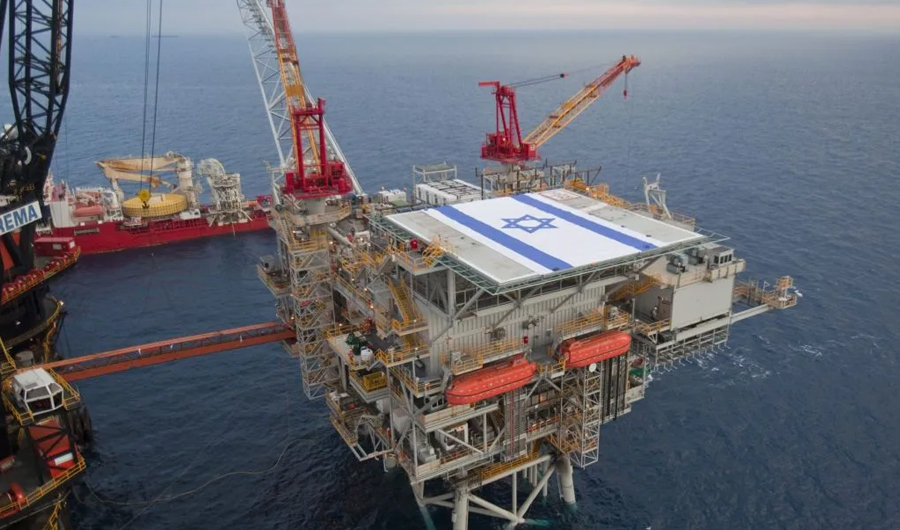
Israeli media revealed that Tel Aviv has kept gas exports to Egypt at less than 1 billion cubic feet per day, despite a previous summer agreement to raise the volume to 1.8 billion cubic feet per day during the summer months. According to i24news, the reduction is attributed to security developments and delays in infrastructure projects, while international estimates suggest priority is being given to the Israeli market.
Egypt is facing a deepening crisis as local production has dropped to 3.6 billion cubic feet per day against a consumption of 7.7 billion cubic feet, necessitating the filling of the gap through imports from Israel and liquefied natural gas (LNG) from international markets.
Egypt’s LNG imports have surged, and the Ministry of Petroleum is working to increase shipments to 230 to cover the deficit. Israeli reports estimate that the import bill could reach $30 billion by June 2027.
In parallel, Egypt’s imports of liquefied natural gas have risen sharply amid rising global prices. The Ministry of Petroleum is attempting to bridge the gap between production and consumption by increasing the number of imported shipments to 230.
Experts in Tel Aviv estimate that the gas import bill could reach approximately $30 billion by June 2027, while the value of 186 shipments of imported LNG up to the end of July 2026 amounted to about $11.5 billion.
The Israeli channel added that Egyptian sovereign entities provided approximately $6 billion to companies affiliated with the Ministry of Petroleum, aimed at settling overdue payments to foreign companies operating in the oil and gas sector, in an effort to restart declining or halted wells.
According to the Israeli report, Egypt is simultaneously struggling to finance the investments needed to boost local production, which has declined significantly compared to the years when the country was able to export a gas surplus.
Experts warn that increasing reliance on international markets makes Egypt more vulnerable to price fluctuations and regional crises. The cost of LNG shipments has risen substantially in recent months, adding new burdens to public finances.
It was noted that the Egyptian government aims to raise local production to 6.6 billion cubic feet per day by 2030. However, new discoveries will not be a quick fix, as new fields may take years to reach the commercial production stage.
Meanwhile, Cairo is working to increase refining and petrochemical investments to approximately $5.2 billion during the current fiscal year, and to raise refinery utilization from 66% to over 80%, with the goal of reducing the import bill for petroleum products.
For the Egyptian government, the gas crisis remains the most prominent challenge: declining local production, high demand, and more expensive and volatile external markets, while additional imports are not arriving quickly enough to close the gap.
