“Health”: We address Duchenne disease through an integrated system of awareness, prevention, diagnosis, and treatment - Sarmad
• Awareness, early diagnosis, and regular follow-up are fundamental pillars for improving the quality of life of patients
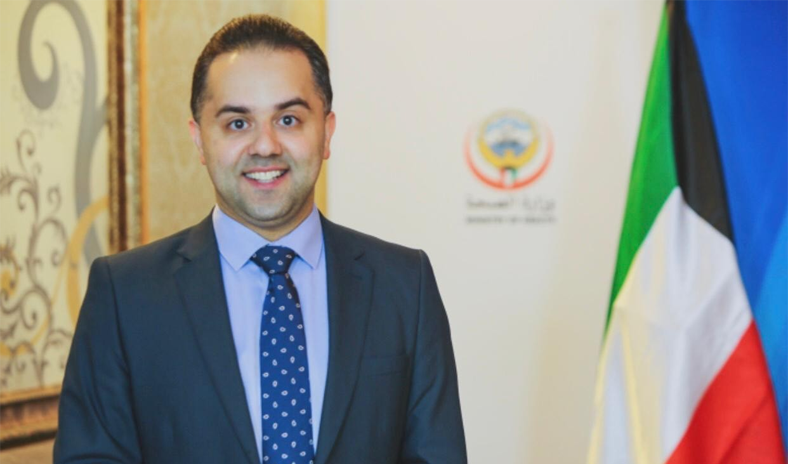
(KUNA) – The official spokesperson for the Ministry of Health, Dr. Abdullah Al-Sand, said on Monday that the Ministry of Health manages Duchenne muscular dystrophy through an integrated system encompassing awareness, prevention, diagnosis, treatment, and continuous follow-up tailored to the needs of each case and disease stage, as the disease causes progressive muscle weakness and its signs typically appear during childhood.
Dr. Al-Sand clarified, according to a press statement issued by the Ministry of Health, that World Duchenne Muscular Dystrophy Awareness Day, observed annually on September 7, represents an important occasion to enhance awareness of this rare genetic disease, highlight the needs of patients and their families, and emphasize the importance of early diagnosis and comprehensive healthcare.
He explained that the care journey begins with identifying cases through outpatient clinics and conducting necessary tests to confirm the diagnosis, followed by referral to the Kuwait Center for Genetic Diseases, located in the Ghunaim Al-Ghanim Premature Babies and Genetics Building, to complete the assessment, dispense appropriate treatment, and initiate specialized follow-up programs.
He noted that care is provided through a multidisciplinary team comprising specialists in neuromuscular diseases, physical therapy and rehabilitation, cardiology, pulmonology, orthopedics, endocrinology, bone health, nutrition, and swallowing, alongside genetic counseling and psychological, social, and educational support.
He added that care plans include a comprehensive assessment at diagnosis and periodic follow-ups of muscle strength, mobility, and treatment response, along with regular tests for heart health, respiratory function, bone health, growth, and nutrition. Follow-up is intensified according to the patient’s condition progression and needs, aiming to preserve health, mobility, and independence as much as possible.
Regarding prevention, Al-Sand explained that the Kuwait Center for Genetic Diseases, in coordination with relevant technical departments and units in hospitals, collaborates to provide genetic counseling and testing for families at risk of transmitting the disease, including preimplantation genetic testing for medically suitable cases.
He affirmed that the State of Kuwait provides modern, approved treatments for Duchenne patients, including gene therapy for eligible cases, following rigorous evaluation and specialized follow-up, keeping pace with recent advances in the care of genetic and rare diseases.
Al-Sand highlighted the State of Kuwait’s pioneering role in consolidating global awareness of the disease, noting that during the 78th session of the United Nations General Assembly, it submitted a draft resolution to designate September 7 as World Duchenne Muscular Dystrophy Awareness Day. The resolution was sponsored by 128 countries before being adopted on November 29, 2023, and the observance began as part of United Nations days starting in 2024.
He stated that this initiative embodies the State of Kuwait’s steadfast humanitarian approach and its commitment to supporting patients with rare diseases and their families, placing health and human rights issues among the priorities of international action.
Dr. Al-Sand emphasized that awareness, early diagnosis, and regular follow-up are fundamental pillars for improving the quality of life of patients, adding that every patient with Duchenne muscular dystrophy deserves access to appropriate care at the right time, and that they and their families should find an integrated healthcare system accompanying them through all stages of their treatment journey.
