Two Members of the Hawalli Municipal Council Emphasize the Importance of Addressing Rising Cyber Threats to Smart Cities
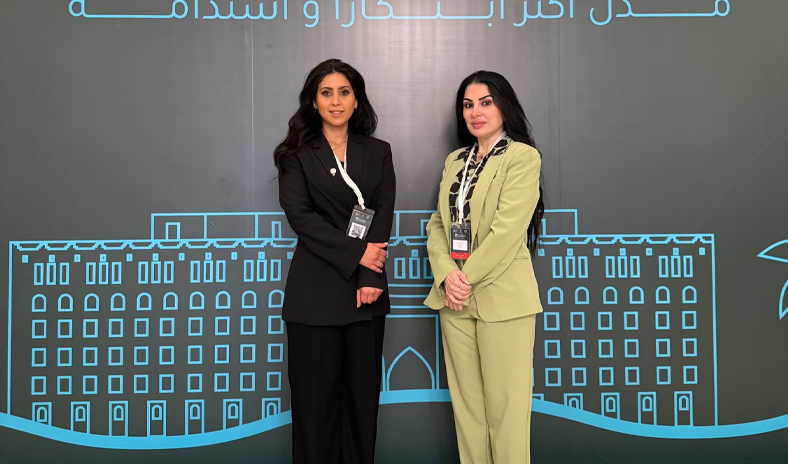
(KUNA) – Two members of the Hawalli Municipal Council emphasized today, Sunday, the importance of addressing escalating cyber risks targeting the infrastructure of smart cities, including water, energy, transport, and su
Translated by Alqyas from Sarmad — Original source
(KUNA) – Two members of the Hawalli Municipal Council emphasized today, Sunday, the importance of addressing escalating cyber risks targeting the infrastructure of smart cities, including water, energy, transport, and surveillance systems. They stressed the necessity of establishing appropriate institutional and legal frameworks to counter potential threats.
This came during a scientific session titled “Cybersecurity of Smart Cities: From Technical Risks to Legal and Institutional Response,” presented by Dr. Faeq bin Salama and Hadeel Ma’arfi on the sidelines of the 64th Executive Council Meeting and the 20th General Conference of the Arab Cities Organization, held in Salalah.
Bin Salama outlined technical risks and general cyber threats, while lawyer Hadeel addressed the legal aspects of the session, discussing national legislations and Arab and international frameworks for judicial cooperation in this field.
Speaking to the Kuwait News Agency (KUNA) about the significance of participating in this Arab forum, Bin Salama noted that it holds special importance as a genuine platform for unifying Arab perspectives on digital and urban transformation issues. She added that it is also an “opportunity” to highlight Kuwait’s experience in this area.
She further stated that the presence of specialists and officials from municipalities, governorates, and cities across the Arab region enhances the building of partnerships in the fields of innovation and urban sustainability.
Bin Salama expressed her hope that the General Conference of the Arab Cities Organization, scheduled for tomorrow, would yield practical and actionable recommendations, including the adoption of unified Arab guideline frameworks for cybersecurity in smart cities and the strengthening of mechanisms for exchanging expertise and early warning systems among member cities.
Regarding the role of Kuwaiti governorates in urban development, she pointed out that council members in governorates play a pivotal role in monitoring infrastructure projects and local services, aligning them with modern trends in innovation and sustainability. This, she said, enhances citizens’ quality of life and keeps pace with the “Kuwait 2035” vision.
For her part, Ma’arfi told (KUNA) that participation in this Arab forum stems from a commitment to keeping abreast of shared urban issues among Arab countries and exchanging developmental experiences and practices to serve the improvement of municipal and local services.
Within the context of the scientific paper, she called for the necessity of legal and institutional frameworks, along with a comprehensive package of legislations aimed at protecting digital infrastructure, ensuring privacy, and securing data flow, while respecting key rights, including human rights.
