"The Gulf Forum for Green Mobility" Highlights Efforts to Develop Express Delivery Services in the Region - Sarmad
(KUNA) – The second Gulf Green Mobility Forum showcased efforts to develop the regulatory and operational environment of the express delivery sector, enhance digital transformation, and outline plans for a gradual transition to the use of electric bicycles.
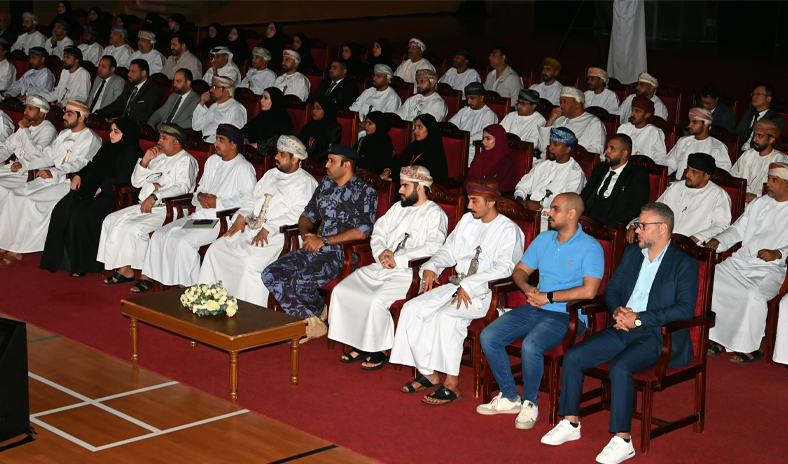
This took place during the “Wasal” program event, organized by the Omani Ministry of Transport, Communications and Information Technology, as part of the activities on the second and final day of the forum hosted in Salalah, Dhofar Governorate. The event aims to empower small and medium-sized enterprises (SMEs) and national talents in this rapidly growing sector.
On her part, Ghada Al-Kiyumi, a senior projects specialist at the Omani Ministry of Transport, delivered a speech on behalf of the ministry to participants, emphasizing the importance of the express delivery sector, which has become a key component of the digital economy and a pillar supporting the growth of e-commerce.
Al-Kiyumi stressed the importance of building an integrated system that enhances the sector’s efficiency and competitiveness while improving the quality of services provided to consumers. She explained that regulating the sector aims to streamline procedures and empower companies, thereby creating a supportive environment for business growth, protecting consumers, and enhancing companies’ capacity for development and competition.
She highlighted the Omani Ministry of Transport’s efforts last year, which contributed to supporting more than 40 SMEs, creating over 900 job opportunities for Omanis, and developing operational models, digitizing procedures, and promoting the use of data and modern technologies.
For her part, Thuwaya Al-Wahibi, a logistics and sustainability operations specialist at the Zero Carbon Team of the Oman Logistics Center, presented the plan for transitioning to electric bicycles in express delivery services. She explained that the project aims to develop the daily delivery experience to be more efficient, safer, and sustainable.
She noted that transitioning to electric bicycles helps reduce emissions, lower energy and maintenance costs, and improve fleet operational efficiency, while also providing a smoother operational experience for drivers. She emphasized the importance of evaluating the total cost of ownership over the bicycle’s lifespan.
Al-Wahibi pointed out that the transition plan is based on a gradual, actionable path leading to a full transition to electric bicycles, subject to specific exceptions permitted by the ministry based on technical or operational justifications.
She mentioned that the plan includes supporting operational trials before expansion, providing suitable financial and operational solutions for companies, and enabling charging and battery-swapping stations in coordination with municipalities and local authorities.
In this context, she stated that the success of the transition relies on three main elements: “adopting clear technical standards for bicycles, safety requirements, and compliance; providing suppliers and operators capable of delivering services and technical support; and developing a safe, integrated infrastructure for charging and battery swapping along delivery routes.”
The “Wasal” program event also witnessed the launch of a service for registering commercial bicycles and issuing vehicle operation cards electronically via the Omani “Naqel” platform, marking a shift from fragmented, multi-step procedures to a unified, integrated digital pathway.
The “Wasal” program aligns with the Omani Ministry of Transport, Communications and Information Technology’s direction toward building a more organized, competitive, and sustainable express delivery sector, enhancing its readiness to keep pace with the rapid growth in e-commerce. This supports the objectives of “Oman Vision 2040” and the Sultanate of Oman’s transition toward carbon neutrality.
The Second Gulf Forum on Green Mobility, whose proceedings began yesterday on Wednesday, aims to enhance regional cooperation among Gulf states in sustainable mobility projects, as well as to exchange expertise and experiences in developing policies, infrastructure, and technologies that support the transformation of the transport sector.
