Fuel queues grow in Iran as subsidy removal plans clash with fears of protests - Sarmad
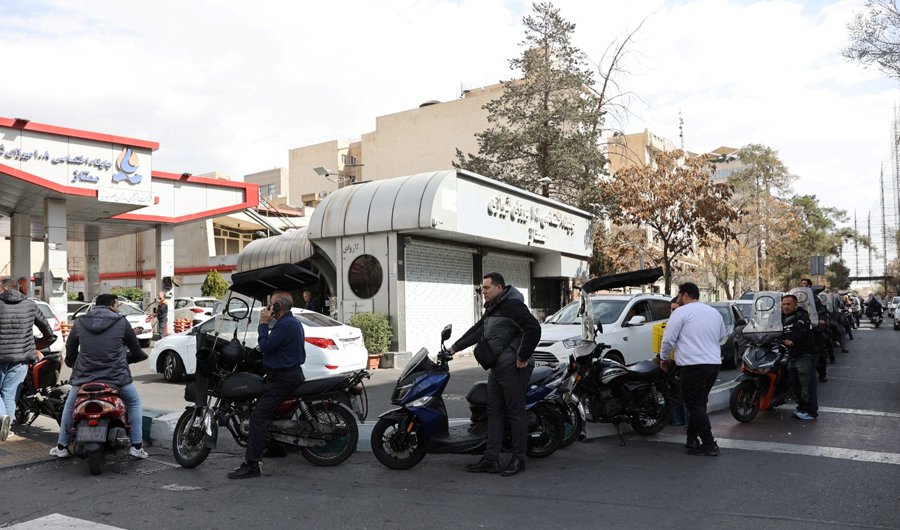
Gas stations in Tehran are witnessing growing queues, with drivers waiting for hours to obtain fuel, as the tightening of the US blockade and sanctions threatens to exacerbate the crisis. This comes amid mounting pressure on the Iranian economy from the war and growing government fears of new protests erupting.
While some Iranians wait two hours or more for fuel, officials are discussing the possibility of reducing the substantial subsidies provided for gasoline, in an attempt to withstand the increasing blockade. However, there are concerns that this move could ignite protests across the country.
The war has inflicted severe damage on the Iranian economy and increased pressure on citizens. Yet, there are currently no indications that it has forced the Iranian leadership to concede to US demands, nor that it will reignite the anti-government protests that shook the country last January.
The Associated Press reported that fuel queues were already increasing even before US Treasury Secretary Scott Bessent announced the start of an “economic isolation” plan, amid supply shortages caused by the US blockade and existing sanctions.
With inflation reaching unprecedented levels and the rial hitting record lows, Iranians are struggling to afford goods beyond fuel.
Iranian President Masoud Pezeshkian accused the United States of resorting to economic pressure, stating that Washington had failed to defeat Iran militarily. He argued that the US is attempting to create “social problems and economic discontent to push Iran into chaos.”
Although Iran is a major exporter of crude oil, it has long relied on gasoline imports to cover domestic supply shortages, according to the Financial Times.
The US naval blockade, imposed since July 14, has severely restricted Iran’s ability to secure fuel. Additionally, a US bombing campaign destroyed part of its refining capacity during the first weeks of the war, which began on February 28.
The Iranian Energy Consumption Improvement Organization stated that the country is currently facing a deficit of 15 million liters against a total daily gasoline demand of 135 million liters.
Iranian authorities insist they are capable of withstanding US pressure.
Pezeshkian, referring to these pressures, asked: “Should we bow to problems and surrender? Certainly not.”
Iranian officials said the fuel crisis has been worsened by a subsidy system that allows the country’s population of nearly 90 million to obtain gasoline at some of the lowest prices globally. Drivers in Iran pay between 15,000 rials ($0.0075) and 50,000 rials ($0.025) per liter.
The Iranian government, which has relied for months on the country’s strategic reserves, has deemed the current pricing and quota system “no longer sustainable” amid accelerating inflation and supply disruptions caused by the war.
Pezeshkian stated this month that selling gasoline below market prices places immense pressure on government resources needed to support food and assist workers, asking, “Who said the government should buy gasoline at 1.3 million rials per liter and then sell it for 15,000 rials?”
Meanwhile, Mohsen Hajimirzaei, head of the Iranian President’s office, indicated that the government intends to reduce subsidized fuel quotas, although a final decision on prices has not yet been made.
However, raising fuel prices remains a highly sensitive issue for Iranians, whose purchasing power has declined to unprecedented levels.
The Iranian rial has plummeted over recent days to a new record low of two million rials per US dollar, as the annual inflation rate approaches 90% and food price inflation reaches approximately 130%.
