Bloomberg: US-Iran War of Attrition Enters a Phase of Stalemate - Sarmad
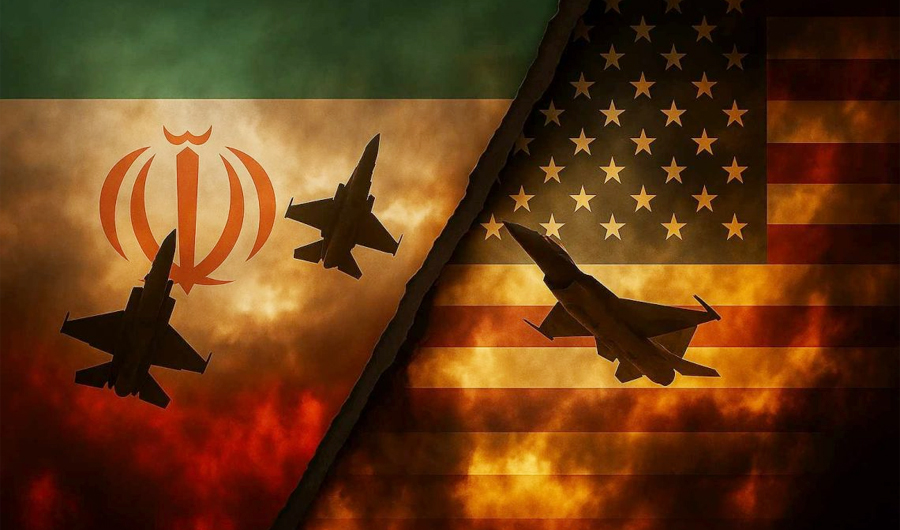
Bloomberg reported that the United States and Iran have become embroiled in a protracted war, in which neither side can achieve a decisive victory, and neither has a clear path to ending the conflict. According to the ag
Translated by Qiyas from سرمد — Original source
Bloomberg reported that the United States and Iran have become embroiled in a protracted war, in which neither side can achieve a decisive victory, and neither has a clear path to ending the conflict.
According to the agency’s assessment, the conflict is evolving in recurring cycles of combat operations, with neither country able to secure a decisive advantage, and there are currently few signs of the dispute ending soon. Bloomberg believes that even negotiations are unlikely to resolve the fundamental contradictions between the two sides for a long time, keeping the possibility of renewed fighting alive.
The agency views the most likely scenario as the continuation of the conflict at a relatively low intensity, punctuated by periodic, unstable truces followed by new waves of strikes.
Meanwhile, closures of the Strait of Hormuz may recur, and there is currently no clear vision for a final settlement, reflecting a state of strategic stalemate between the two parties.
These developments come weeks after U.S. President Donald Trump announced that the United States controls the Strait of Hormuz and pledged to maintain this status, contradicting Iranian statements asserting that Tehran controls the strait.
The war, which erupted on February 28, 2026, has resulted in significant human and material losses, depleting U.S. arms stockpiles, particularly air defense missiles, and disrupting navigation in the Strait of Hormuz, thereby affecting global energy markets.
The Trump administration has faced criticism for continuing the war without achieving its stated objectives, amid reports of a severe shortage of U.S. ammunition, which limits Washington’s military options.
In response, Iran continues to threaten its ability to close the strait and disrupt navigation, further complicating the security landscape in the region.
