Shipowners warn against imposing transit fees in Hormuz: undermining international law - Sarmad
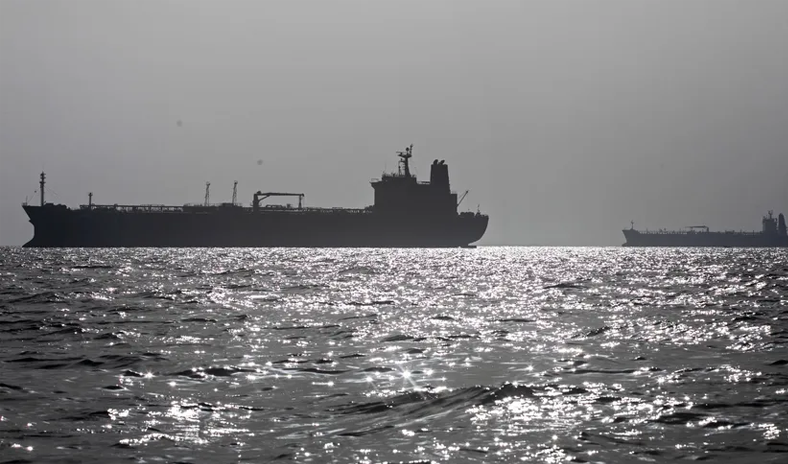
• Such a move would open the door to imposing fees on other strategic waterways (Bloomberg) – Eight of the world’s largest maritime shipping associations have urged the United Nations and the International Maritime Organ
Translated by Qiyas from سرمد — Original source
• Such a move would open the door to imposing fees on other strategic waterways
(Bloomberg) – Eight of the world’s largest maritime shipping associations have urged the United Nations and the International Maritime Organization (IMO) to oppose any mandatory costs or transit fees in the Strait of Hormuz, warning that such a step could pave the way for similar charges on other strategic sea lanes around the world.
In a joint letter dated August 3 to UN Secretary-General António Guterres and IMO Secretary-General Arsenio Dominguez, and published on Wednesday, the associations stated that imposing transit fees or service charges “constitutes fees in every sense of the word, even if not named as such,” which would undermine the international legal framework governing navigation through international straits.
“Once such a precedent is established, it will be difficult to reject similar measures elsewhere, creating uncertainty for the international shipping sector and global trade,” the letter said, which was signed by entities including the International Chamber of Shipping, BlackRock, the World Shipping Council, and others.
Fears of a precedent that could extend to other sea lanes
The prospect of Iran imposing fees on transit through the Strait of Hormuz has highlighted the fragility of global supply chains and raised concerns about how strategic maritime routes will be managed in the future.
Tehran has tightened its grip on navigation through the strait since the US and Israel began strikes on the country in late February, warning ships that they need Iran’s permission to pass through this waterway and threatening to impose permanent transit fees or mandatory insurance requirements. Iran has even sought to collect amounts reaching $2 million per voyage on a case-by-case basis.
Before the war, ships largely crossed this waterway without obstruction. Since then, the US has rejected Iran’s attempts to assert control, supported a southern route along the Sultanate of Oman, and deployed forces to help protect commercial vessels using the passage.
US moves to protect navigation in the Strait of Hormuz
Nevertheless, US President Donald Trump briefly proposed in July imposing a 20% fee on cargo shipments transiting with US assistance, before backing down from the plan after Gulf allies urged him to abandon it.
Meanwhile, the Sultanate of Oman informed the IMO that it opposes the imposition of mandatory transit fees in the strait. However, it indicated openness to exploring voluntary agreements under which ships could contribute to navigation support services aimed at enhancing maritime safety and security and protecting the environment.
The shipowners wrote in the letter: “While discussions on regional security and conflict resolution continue, we must ensure that internationally recognized navigation rights are not undermined or used as part of broader political negotiations.”
Axios reported on Monday that the US, Iran, and the Sultanate of Oman are close to reaching a 60-day agreement on navigation through the Strait of Hormuz that would not include any fees or costs, although it remains unclear what will happen after this period expires.
