Nizahah Organizes Regional Workshop on “Combating Corruption and Identifying the Beneficial Owner” - Sarmad
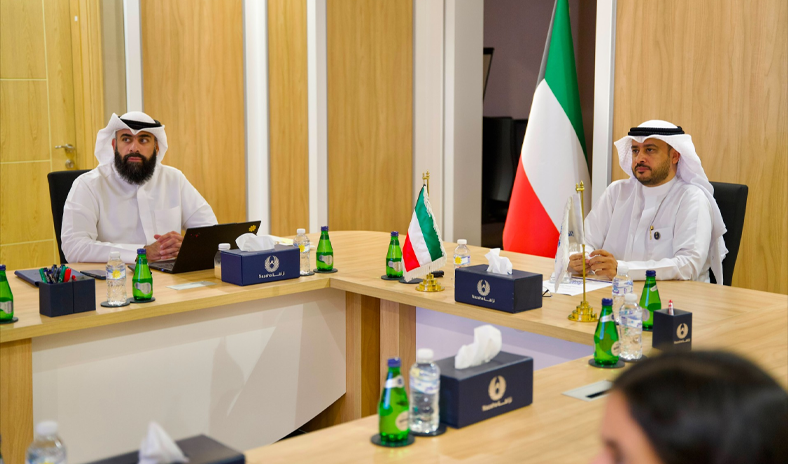
(KUNA) – The Public Authority for Combating Corruption (Nazaha) organized a specialized regional virtual workshop titled “Combating Corruption and Identifying the Beneficial Owner,” with participation from anti-corruptio
Translated by Qiyas from سرمد — Original source
(KUNA) – The Public Authority for Combating Corruption (Nazaha) organized a specialized regional virtual workshop titled “Combating Corruption and Identifying the Beneficial Owner,” with participation from anti-corruption authorities and ministries of commerce and industry in the Gulf Cooperation Council (GCC) countries. This initiative marks the first of its kind at the GCC level in this vital field.
In a press statement issued on Tuesday, Nazaha noted that the workshop complements its ongoing efforts in this area, particularly through the preparation of the GCC Guideline titled “Practices and Measures for Identifying the Beneficial Owner in GCC Countries.” The guideline was approved by the GCC Ministerial Committee on Combating Corruption during its 11th meeting held in Kuwait last October.
According to the statement, Nazaha’s Vice President Majid Al-Daihani emphasized that the workshop underscores the importance of joint GCC action, which serves as the strongest foundation for consolidating integrity and strengthening transparency. He affirmed that Nazaha has taken measures in the field of beneficial owner identification, including leading the preparation of the GCC Guideline and securing its approval from the Ministerial Committee.
Al-Daihani pointed out that the workshop aims to review national experiences and identify commonalities among GCC countries to formulate practical recommendations that contribute to developing beneficial owner identification frameworks at the GCC level.
He added that beneficial owner transparency has become an international requirement under resolutions of the Conference of the States Parties to the United Nations Convention against Corruption and recommendations from the Financial Action Task Force (FATF), which serves as the first line of defense against hiding illicit proceeds behind complex corporate structures, conflicts of interest in government contracts, and cross-border money laundering.
