Al-Yousef: Kuwait’s distancing from conflicts is a strategic choice to protect the homeland - Sarmad
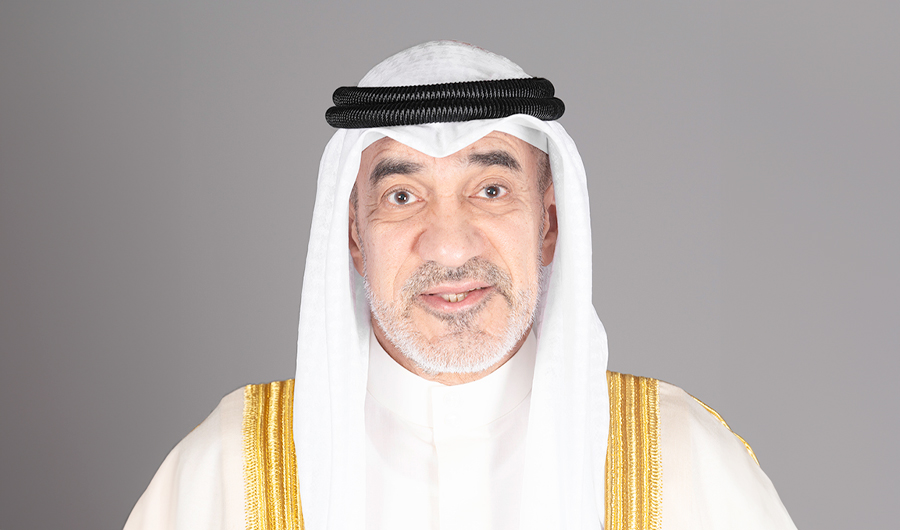
• We do not desire war, but we are prepared for it if it is imposed upon us... and our lives are ransom for Kuwait
• Stay away from rumors and avoid provoking public opinion into uncalculated or irresponsible positions
• The homeland is not merely lines on a map... but an identity, a memory, and security that we bequeath to our children
• War is not measured solely by material losses... but also by the dreams of generations that are aborted before they can be fulfilled
• Kuwait’s geographic location makes it vulnerable to being used as a leverage card in regional conflicts
• Kuwait lies between major regional powers... and peace and stability represent its true capital
Following hours of field assessments of the damage sustained at the Abdali border crossing with Iraq, and his pledge to reopen the crossing within 48 hours to facilitate trade and traveler movement, followed by his visit to Iraq’s Basra Governorate and his vow to nip sedition in the bud, while affirming that the two countries will remain “neighbors and brothers” regardless of what happens, the First Deputy Prime Minister and Minister of Interior, Sheikh Fahad Al-Yousif, emphasized that Kuwait’s policy of neutrality toward regional conflicts “is a profound strategic wisdom imposed by our political leadership, establishing a barrier that safeguards the country’s security and stability, and placing the future of coming generations at the forefront of its calculations, reflecting a political maturity accumulated over decades of experience.”
Al-Yousif told Al-Jarida newspaper that our country does not wish to ever be a party to war, “but if it is imposed upon us, we are prepared, and we will match it with what the duty of defending Kuwait demands, without retreat or hesitation,” adding that Kuwait emerged from the trauma of the 1990 invasion with an unforgettable historical lesson: that war has no winners, and that peace and stability represent the true capital “of our state, which lies between major regional powers.”
He considered that Kuwait’s sensitive geographic location makes it vulnerable to attempts to use it as a battlefield or a leverage card in surrounding conflicts, which necessitates heightened vigilance and high political wisdom.
He pointed out that a country like Kuwait, which has known the meaning of occupation and the threat to its national existence, does not need anyone to remind it of the value of the homeland or explain the meaning of sovereignty, noting that those who have lived through that trauma know that the homeland is not just lines on a map, “but rather memory, identity, and the security we bequeath to our children. Therefore, lives are trivialized, no matter how costly, as ransom for Kuwait and to safeguard its trust and preserve it for those who come after us.”
He warned that the most dangerous avenues leading to war are not necessarily military, but primarily media-driven and populist, through inflammatory rhetoric and the spread of rumors to lure public opinion into uncalculated or irresponsible positions, affirming that strengthening national unity and rejecting any attempts to incite sedition represent our strongest weapon against any attempt to drag the country into conflicts that do not concern it.
He stressed that the price of any compromise on the policy of neutrality would be exorbitant on human, economic, and geopolitical levels, considering that war is not measured merely by the numerical figures of losses, but by the generations whose hopes are erased, and the dreams that are aborted before they can be fulfilled, “and we are well aware of this,” as no one desires war or underestimates its calamities.
