Gulf oil exports rise 16% despite slowdown in traffic through the Strait of Hormuz - Sarmad
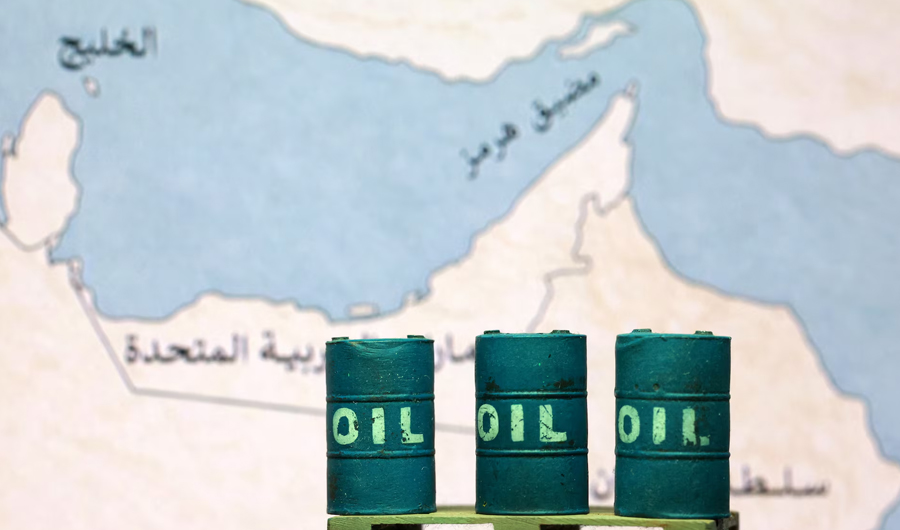
Crude oil exports from Gulf states rose in the first half of July to their highest levels since late February, before shipping traffic through the Strait of Hormuz slowed amid the Iran crisis.
According to data from Kpler, exports from Saudi Arabia, the United Arab Emirates, Iraq, Kuwait, and Iran increased by approximately 16% compared to the June average, reaching 12 million barrels per day, while Fortesa estimated them at 13.06 million barrels per day.
Kpler noted that the increase was driven by Saudi Arabia, Iran, and Iraq, while Iraq recorded the largest monthly rise according to Fortesa, whereas UAE exports declined from the record levels they reached in June.
The rise in exports helped ease concerns about global supplies, putting downward pressure on oil prices following a temporary agreement between the United States and Iran in mid-June to reopen the Strait of Hormuz. However, the deal collapsed in early July due to disagreements over the management of the waterway.
Data showed a decline in tanker traffic through the strait, with only three tankers transiting on Thursday, marking the lowest daily level since May. Kpler analyst Johannes Robal said that the slowdown in activity could prompt producing countries to cut output as shipped oil volumes fall.
Despite the recovery, exports remain about 32% below the pre-war peak of 17.6 million barrels per day. Meanwhile, Saudi Arabia continued to divert most of its exports to the port of Yanbu on the Red Sea, with around 75% of its exports leaving through it since the beginning of July, in a move aimed at reducing reliance on the Strait of Hormuz.
