IMF warns: Global oil reserves depleted - Sarmad
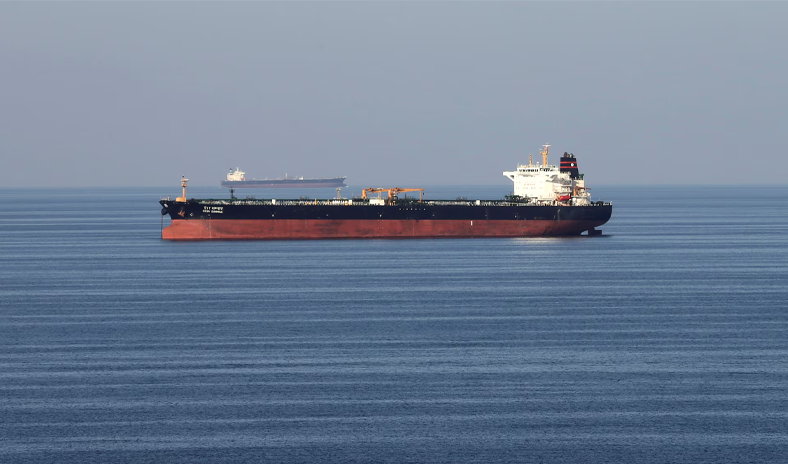
The global oil market weathered its largest supply disruption in decades without the price spike many feared, but the factors that mitigated the shock have been largely exhausted, increasing the risks facing the global economy if the crisis in the Strait of Hormuz persists, according to a brief International Monetary Fund report published on Wednesday.
Jean-Marc Natal and Atish Ghosh, IMF economists, wrote in a blog post that crude prices stabilized in a range of $90 to $100 per barrel after an initial surge following the outbreak of war with Iran in late February. This level is far below what was feared, given that the actual closure of the strait deprived the market of approximately 20 million barrels per day of crude and refined products, equivalent to one-fifth of global consumption.
Refined product output in the Gulf region also fell sharply, dealing a blow primarily to global markets for diesel and jet fuel.
The scale of this supply loss is unprecedented. By the end of May, the total crude lost to the market amounted to approximately 1.1 billion barrels, equivalent to 10 days of normal global consumption. This shortfall exceeds the intensity of the oil shocks the world experienced in 1973 and during the Iran-Iraq War (1980–1988), on a comparable time basis—specifically, if calculated over three and a half months of those conflicts, according to the IMF.
Alternative Routes
Routes bypassing the strait compensated for only a portion of the lost volumes. Saudi Arabia redirected oil from the Gulf to the port of Yanbu on the Red Sea via the East-West Pipeline, while the United Arab Emirates exported Abu Dhabi oil from Fujairah, located on the Gulf of Oman.
The two economists identified three other factors that helped absorb the shock.
Demand Contraction
The contraction in demand bore the brunt of filling the supply gap, particularly in Asia. Higher prices reduced consumption, and countries turned to alternatives such as coal and renewable energy, with some implementing fuel tax cuts to contain rising prices.
Increased oil production from outside the Gulf was the second factor mitigating the crisis’s effects. Other exporting countries raised their output by approximately 2 million barrels per day above 2025 levels, led by the United States, as well as Venezuela, Guyana, and Russia.
Global Stockpiles
Global stockpiles played a significant role in bridging the supply gap. Importing countries, including China, drew down their reserves at a rate of nearly 4 million barrels per day between March and May, according to the economists, who warned that “if stockpiles are not replenished, the world will be in a weaker position when the next shock occurs.”
They also noted that returning to pre-war supply levels would take two to three months after the full reopening of the waterway, with the risk that countries unable to sell their oil and lacking financing could suffer permanent losses in production capacity.
The IMF offered three pieces of advice to policymakers: first, the necessity of rebuilding stockpiles; second, the importance of diversifying energy sources and routes away from chokepoints; and third, keeping financial support targeted at the most vulnerable groups and adopting energy pricing policies that encourage conservation and consumption efficiency.
