Afghanistan: Taliban's restrictions on women exacerbate market stagnation in Herat - Sarmad
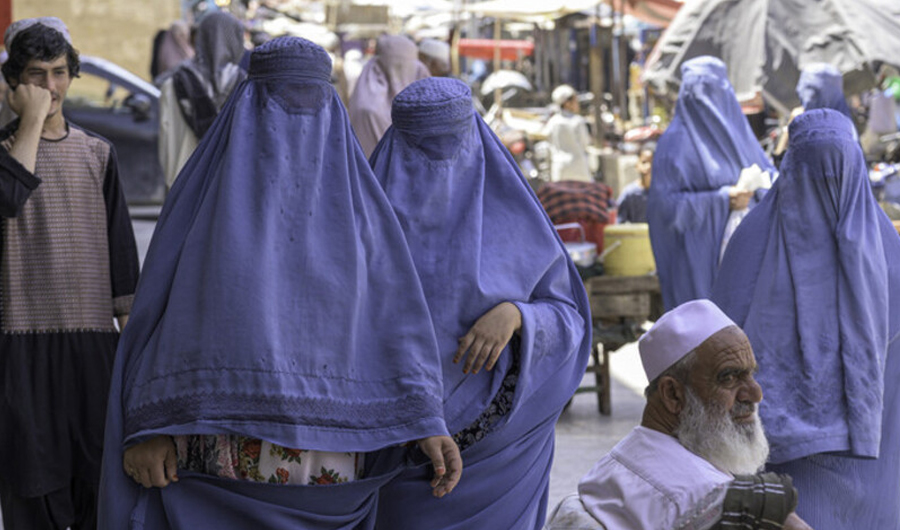
Commercial activity in the markets of Herat, in western Afghanistan, has declined following a drop in the number of female shoppers after the Taliban tightened the enforcement of dress codes for women.
In early June, the morality police arrested dozens of women on charges of violating official dress codes, while suppressing rare protests against these measures, which resulted in the deaths of at least two people, according to the United Nations.
Shop owners in Herat said that women, who make up the majority of market customers, have largely stopped visiting stores out of fear of being held accountable, leading to a roughly 50% drop in business activity, according to local estimates.
Ramin Ghafari, a tailor, confirmed that the markets have become nearly devoid of women since the campaign began, while shoe store owner Nazir Ahmad Azimi noted that women account for about 90% of his customers, pointing out that their reduced presence has directly impacted sales volumes.
The transport sector has also been affected. Rickshaw driver Farshid Karimi said his daily income has dropped by nearly half due to the reduced mobility of women within the city.
Women from Herat told Agence France-Presse that they now leave their homes only for absolute necessity, fearing arrest over dress code violations. They emphasized that fear has driven many to abandon their studies, shopping, or social gatherings.
Since the Taliban’s return to power in 2021, broad restrictions have been imposed on women’s participation in public life, including work, education, and social activities. The United Nations has previously warned that excluding women from the economy could cost Afghanistan’s economy around $1 billion annually.
Business owners believe that the continuation of these restrictions threatens commercial activity in Herat, formerly known as Afghanistan’s cultural capital, stressing that the absence of women from the markets directly affects various economic sectors.
