War on Iran raises ship insurance rates in the Gulf and Strait of Hormuz
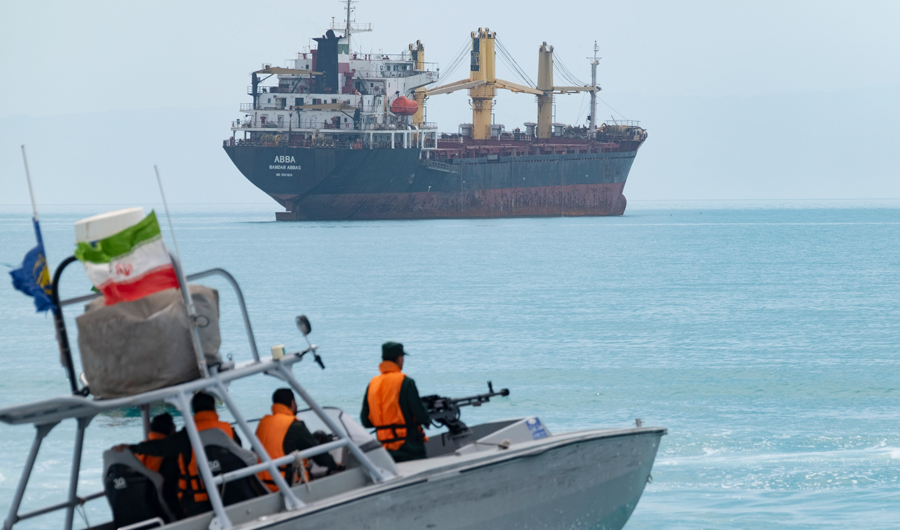
Ship insurance rates in the Gulf of Oman and the Strait of Hormuz have risen due to tensions with Iran.
Translated by Alqyas from Sarmad — Original source
Amid drumbeats of war against Iran and Iran’s retaliatory strikes against Israel, marine insurance companies have begun raising coverage premiums for vessels transiting the Persian Gulf and the Strait of Hormuz by as much as 50%, amid escalating risks following US and Israeli strikes on Iran and Iran’s retaliatory targeting of US bases in the Middle East.
According to insurance brokers speaking to the Financial Times, insurers issued rare cancellation notices on Saturday, February 28, ahead of the resumption of weekly trading, paving the way for repricing coverage at higher rates in the coming days, with costs expected to rise by up to 50%.
In recent days, the cost of insuring ships transiting the Gulf has been around 0.25% of the vessel’s replacement value, but it is poised to rise by nearly half, according to the newspaper, citing Dylan Mortimer, head of hull and war risk insurance at brokerage Marsh.
Insurance costs for ships heading to Israeli ports, which stood at around 0.1% of the vessel’s value before the recent strikes, could also rise by up to 50%, as insurers prepare for the possibility of continued Iranian missile retaliation against Israel.
Insurers’ concerns have intensified after Iran moved to close the Strait of Hormuz, through which approximately one-fifth of global crude oil supplies pass. The potential for Iranian agents to attempt to board or detain ships is also being priced in.
Earlier on Saturday, the UK Maritime Trade Operations (UKMTO) stated it had received numerous reports from ships in the Gulf indicating they had received messages from Iran announcing the closure of the Strait of Hormuz.
In a related development, an official from the European Union’s Aspidos mission told Reuters that ships were receiving high-frequency broadcasts from the Iranian Revolutionary Guard Corps stating that no vessels were permitted to transit the Strait of Hormuz.
The Strait of Hormuz is the world’s most critical waterway for oil transport and a key flashpoint during periods of tension with Iran. Approximately one-fifth of the world’s seaborne oil and a significant portion of its gas pass through it daily.
Meanwhile, cargo insurance providers covering goods transported on tankers, such as grains and oil, are preparing to cancel policies at the start of the week before renegotiating coverage at higher rates, rather than withdrawing coverage entirely.
Reuters cited a memo from brokerage Clarkson’s stating that “tanker insurance can be repriced quickly based on anticipated risks, through increases in war risk premiums, demands for owner compensation for delays in the region, and charterers accelerating bookings in advance to reduce uncertainty regarding schedules.”
On Monday, maritime security risk management group Dryad Global reported that commercial shipping traffic in the Gulf of Oman and the Strait of Hormuz is facing an increasing risk of GPS jamming and automatic identification system (AIS) spoofing, which it linked directly to ongoing Iranian military exercises.
Data from the London Metal Exchange showed on Thursday that the cost of chartering a large crude oil tanker to transport two million barrels from the Middle East to China exceeded $200,000, for the first time since 2020.
Standard shipping costs rose to $206,141 per day, according to the Worldscale index used in the industry to calculate shipping expenses, marking the highest level since April 2020.
