Israeli security establishment warns: Stability force in Gaza will constrain the army and strengthen Hamas
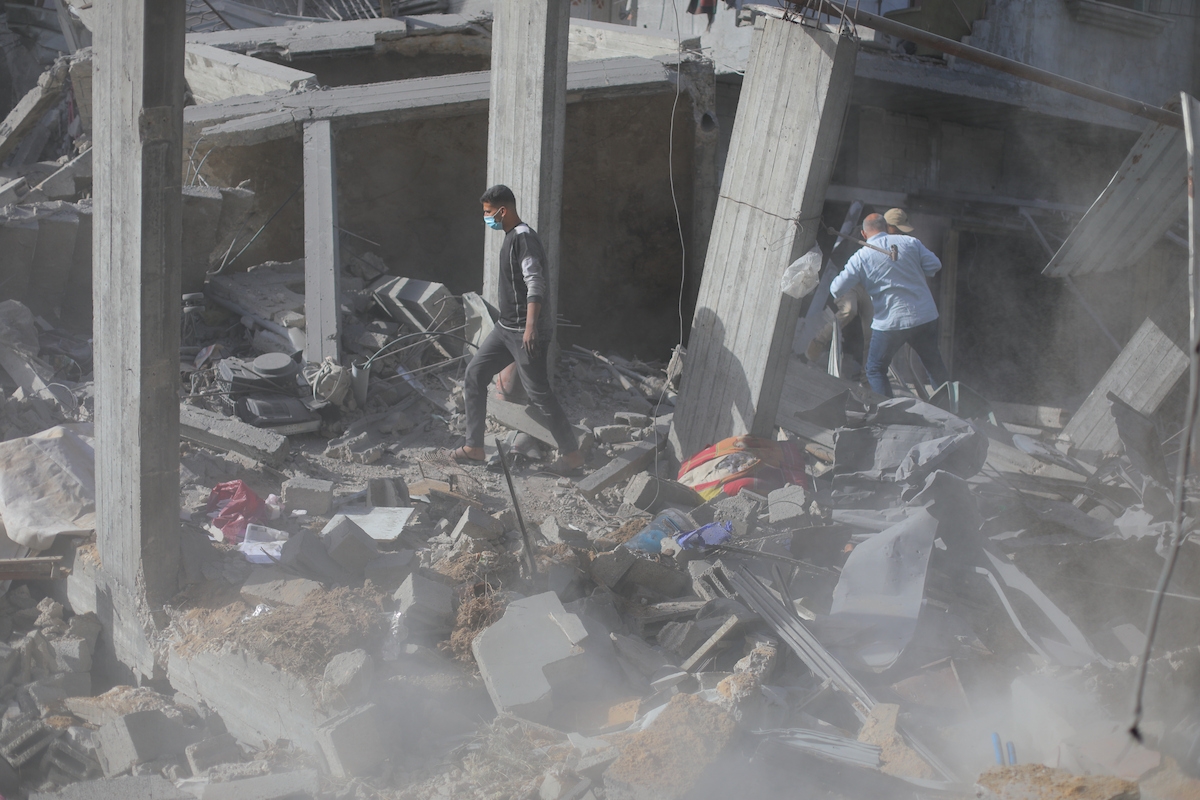
The Security Cabinet approved, on Sunday evening, granting immunity to the International Stabilization Force (ISF) to pave the way for its entry into areas in the Gaza Strip, despite calls within Israel to postpone this
Translated by Qiyas from الراي — Original source
The Security Cabinet approved, on Sunday evening, granting immunity to the International Stabilization Force (ISF) to pave the way for its entry into areas in the Gaza Strip, despite calls within Israel to postpone this step until Hamas is disarmed and the Strip is stripped of weapons.
At the same time, the security establishment warns that this move could restrict the Israeli military’s freedom to conduct offensive operations, weaken its ability to act against armed structures and organizations, and enhance Hamas’s status, according to the Hebrew website Walla.
Political and security officials say the United States is pushing Israel to proceed with rebuilding the Strip even before its disarmament and the dismantling of Hamas’s military capabilities.
A political source clarified that the Security Cabinet’s preliminary approval on Sunday evening to grant immunity to the force, paving the way for its entry into specific areas in the Strip, was part of U.S. President Donald Trump’s 20-point plan, which, according to him, led to the release of all hostages.
He added that after approving the entry of approximately 200 representatives from friendly countries, including Uganda and Morocco, Israel still insists that the military remain stationed on the “Yellow Line” and not withdraw from it as long as Hamas has not been disarmed and the Strip has not been fully stripped of weapons.
However, Walla learned that political and security officials requested that the Americans delay completing this step to prevent it from eroding the military’s achievements, but the request was rejected, and they were informed that progress in implementing the plan is proceeding according to Trump’s wishes.
The security establishment maintains that this move normalizes the reality of Hamas, giving it the opportunity to choose a new leadership, rebuild its military wing, reestablish its rule, and deepen its control over the Palestinian street through intimidation and violence.
According to these sources, only the military is capable of disarming Gaza and dismantling the movement’s military capabilities, not a multinational force.
Security officials also doubt the feasibility of creating a “green city” free of armed militants in the Rafah area. They estimate that Hamas will continue to terrorize residents, manage affairs remotely, and exploit the project to serve its interests, including through smuggling weapons and establishing new military infrastructure.
Military officials familiar with the details of the operation stated that any progress in introducing multinational forces to Gaza prevents Israel from disarming the area and contradicts the U.S. commitment that Hamas must be disarmed first, before moving to the reconstruction phase. They added, “What is happening on the ground is the exact opposite.”
They also estimated that introducing forces from countries friendly to Israel would increase sensitivity toward any military operation within the Strip, weaken the military’s operational initiative, and limit its ability to act against armed organizations.
In the same context, the “Future for Gaza’s Periphery” movement criticized the Security Cabinet’s decision and demanded a clear answer from the government on whether the decision makes residents of the Gaza Periphery area safer. It stated in a declaration: “If the answer is not definitive, this step should not be taken.”
It affirmed that it would not agree to rebuild Gaza before the threat is completely eliminated, and would not accept a return to the reality of October 6, 2023.
