Gene Therapy Restoring Sight to the Blind Receives European Approval
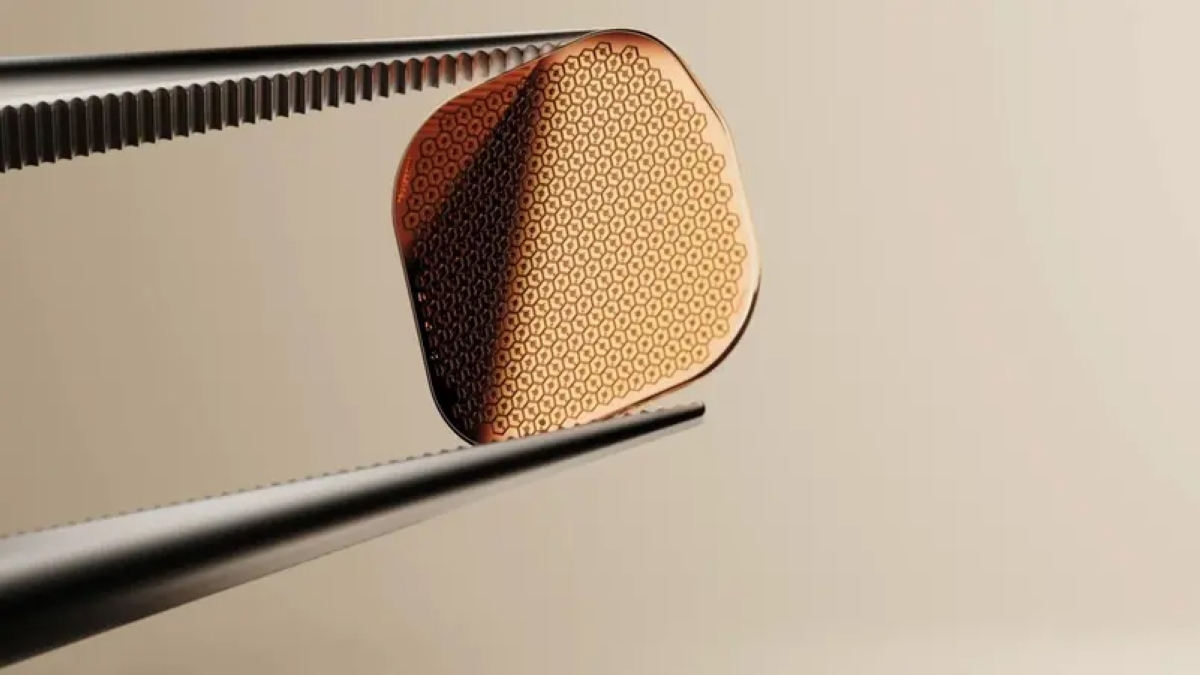
Science Corporation, a company specializing in the development of brain-computer interfaces (BCI), has received approval from European medical device regulators to launch a new device aimed at restoring vision in patients who have lost it due to age-related macular degeneration.
The company announced that its device, named “PRIMA,” has also received a special designation from the U.S. Food and Drug Administration (FDA), a step that paves the way for an expedited review process, potentially accelerating its use in treating two rare forms of blindness.
Millions of people worldwide suffer from age-related macular degeneration, a disease that damages light-sensitive cells in the retina, making reading and recognizing faces extremely difficult, according to a report published by TechCrunch.
After the procedure, the patient wears glasses equipped with a camera that captures the surrounding scene and transmits images to the implant, which stimulates the retina to provide functional vision, helping patients regain some of their sight.
Max Hodak, the company’s founder and CEO, said the device has made a real difference in patients’ lives, noting that one patient in France was able to read a complete 300-page novel, while other patients succeeded in solving crossword puzzles and Sudoku, and one even painted a picture of the Sydney Opera House.
Hodak is known as one of the co-founders and former CEO of Neuralink, before leaving the company in 2021 to establish Science Corporation, with the goal of developing a new generation of brain-computer interfaces based on integrating electronic chips with living cells.
After studying several technologies, Science Corp. determined that the French company Pixium Vision had the most suitable solution, acquiring it in 2024, and then worked on developing technical documentation and improving the product in preparation for obtaining regulatory approvals and launching it commercially.
The company expects each PRIMA device to cost hundreds of thousands of dollars, while negotiations are currently underway with insurance companies and healthcare providers in Europe to cover treatment costs.
The company is preparing to begin offering the device in Germany, where clinical trials were conducted, with the possibility of performing the first commercial procedure as early as September.
Science Corporation plans to launch a more advanced version of the chip that provides higher visual quality, along with developing accompanying glasses for the device, which currently rely on an external battery pack.
In the future, the company aims to offer glasses similar to Meta’s augmented reality glasses, while maintaining the high computational power required by the PRIMA system.
At the same time, the company is collaborating with Dr. Murat Gunel, head of the neurosurgery department at Yale School of Medicine, to develop clinical trial procedures for a hybrid biosensor implanted directly into the brain.
Hodak emphasized that the commercial success of PRIMA is the company’s top priority, explaining that expected revenues from this project will be the primary source of funding for future research on brain-computer interfaces, the technologies on which the company is betting for the long term.
