Revolutionary Discovery Promises to Halt Osteoporosis Progression
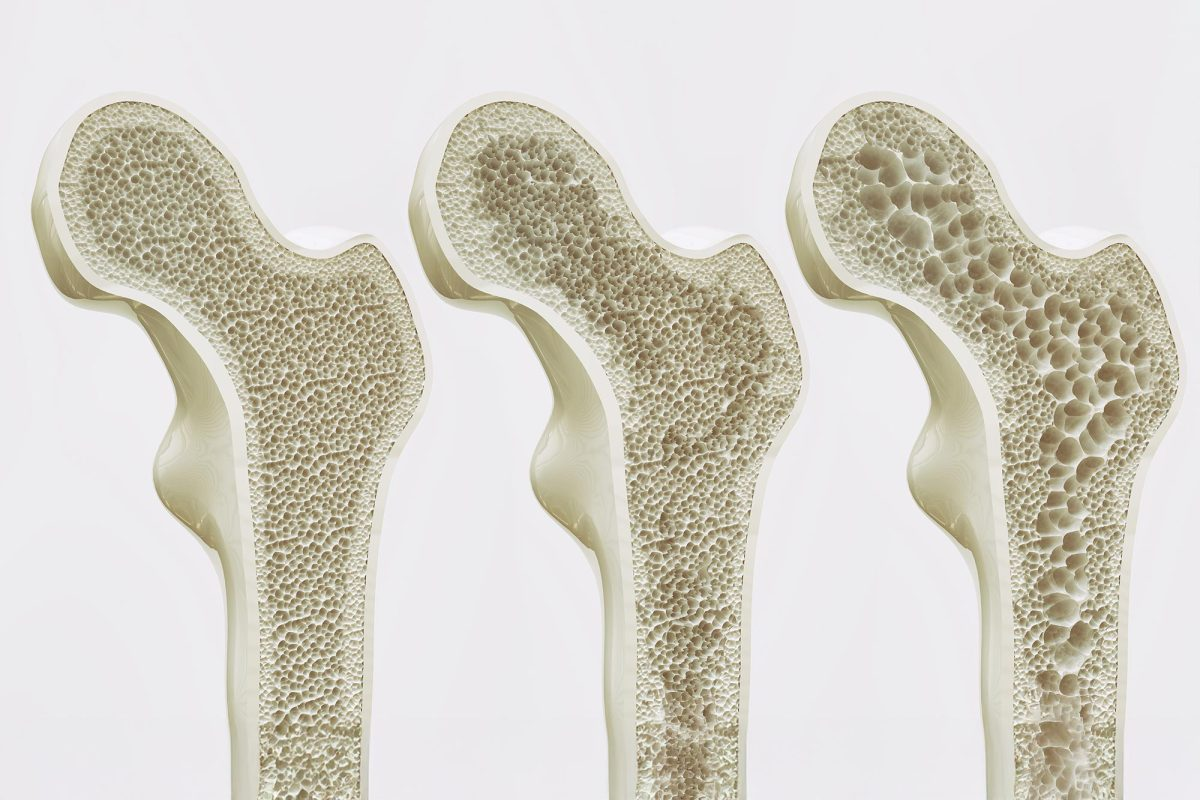
The website Site Daily published a scientific report highlighting a new biological discovery that could change the rules of osteoporosis treatment, after a team of researchers identified a cellular mechanism responsible for age-related bone weakness, opening the door to the possibility of curbing the pathway of this disease that affects millions worldwide.
The report revealed that the study focused on the role of a specific type of stem cells found in the bone marrow, which naturally transform into fat cells rather than bone-forming cells as people age, leading to a deterioration in skeletal structure and increased fragility.
It stated that researchers at Washington University School of Medicine succeeded in identifying a specific protein known as CbfB, which plays a pivotal role in directing the fate of these stem cells. They clarified that the absence of this protein or a decline in its levels pushes cells to transform into fat cells at the expense of bone formation, thereby depriving the skeleton of its regenerative capacity. The researchers emphasized that this discovery goes beyond merely understanding the disease mechanism, as it offers a tangible therapeutic target that can be addressed with drugs or genetic therapies to restore the natural balance of bone regeneration.
The report added that the scientific team conducted a series of experiments on genetically modified mice, proving that enhancing the activity of the CbfB protein led to a significant increase in bone mass and strength, while inhibiting it caused accelerated bone loss and the appearance of clear signs of fragility. In this context, the researchers explained that the results were particularly notable in the femur and vertebrae bones, where a measurable improvement in density was recorded just a few weeks after the start of experimental treatment.
The report included a presentation of the study’s key findings in the form of specific points, which can be summarized as follows:
• Treated mice showed an increase of approximately 50 percent in the volume of spongy bone during a relatively short period of treatment, with a marked improvement in indicators of the bone’s mechanical strength.
The report noted that the significance of this achievement is not limited to age-related osteoporosis alone, but extends to other conditions such as osteoporosis resulting from long-term use of corticosteroids or that associated with certain chronic diseases. The website quoted one of the lead researchers as saying that the results suggest the possibility of developing treatments capable not only of stopping bone loss but also of halting actual damage and restoring lost density.
The report indicated that the next step for the team involves developing small drug molecules that can target this same biological pathway in humans, with preparations underway for the initial clinical trial phase following the completion of further safety studies. The source concluded that this progress renews hope for transforming osteoporosis management from merely slowing deterioration to a genuine restorative therapeutic strategy, which could positively impact the quality of life for hundreds of millions of elderly people around the world.
