Mediators push for a new ceasefire... and Trump considers returning to a wide-scale war!
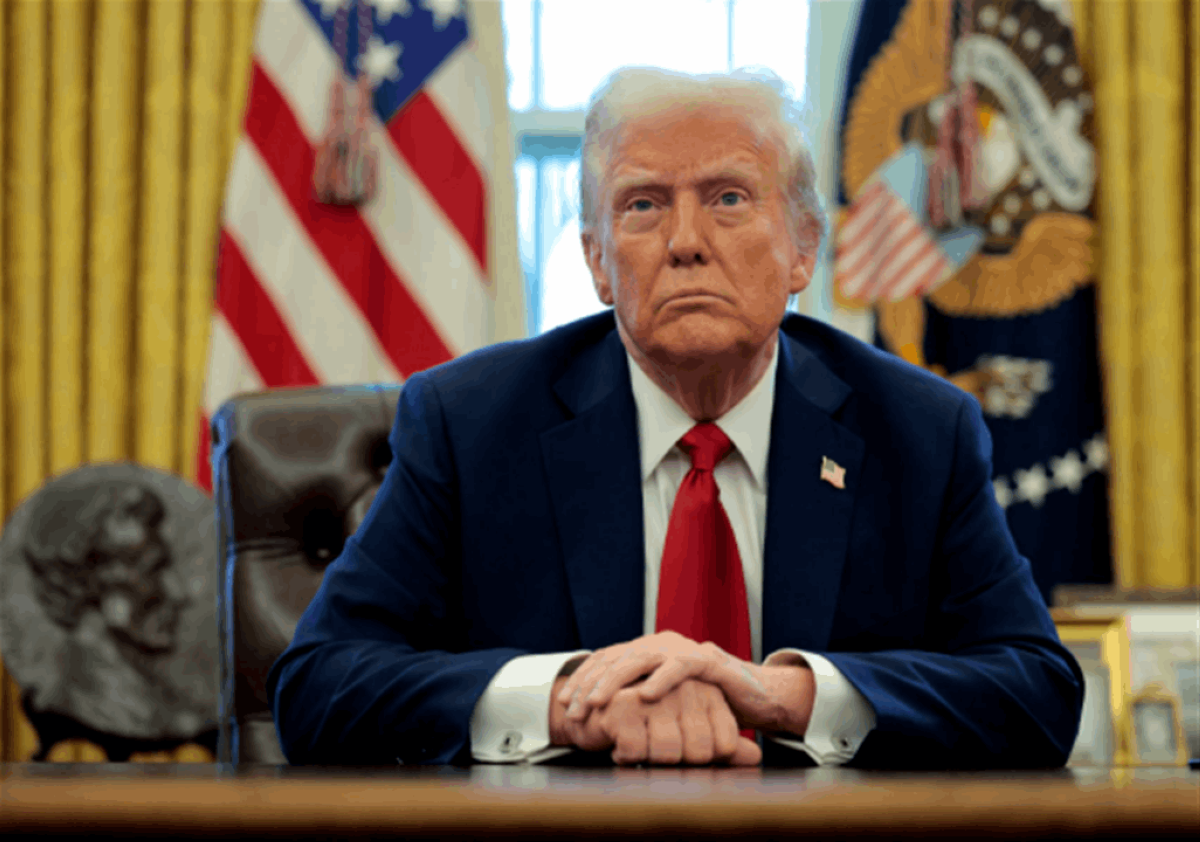
U.S. President Donald Trump stands at a critical juncture in his confrontation with Iran, as U.S. and Israeli officials say he has only two realistic options: push for a 10-day ceasefire agreement, as proposed by mediato
Translated by Qiyas from الراي — Original source
U.S. President Donald Trump stands at a critical juncture in his confrontation with Iran, as U.S. and Israeli officials say he has only two realistic options: push for a 10-day ceasefire agreement, as proposed by mediators, with the aim of reopening the Strait of Hormuz, or return to a large-scale military campaign coordinated with Israel to force Tehran to make concessions, according to Axios correspondent and Israel’s Channel 12 reporter Barak Ravid.
Ravid notes that Trump has not yet made a final decision, but informed sources say the coming days will be decisive in determining the path he chooses, as the margin for maneuver shrinks amid a war that has caused severe paralysis in the Gulf region.
According to U.S. officials, the Trump administration is considering this proposal and currently does not want Israel to take steps that could close the window for diplomatic opportunity, although this stance could change quickly if Trump decides to abandon the ceasefire option.
To date, neither the United States nor Iran has agreed to the proposal, and both sides continue trying to improve their negotiating positions by carrying out further strikes before accepting a ceasefire.
Israeli Prime Minister Benjamin Netanyahu has also warned that his country would respond to any Iranian attack with large-scale strikes, increasing the likelihood that the conflict could expand from the Gulf to the Red Sea and Israel.
According to regional sources, mediation efforts are based on a proposal discussed on July 11 in Muscat during talks involving Oman, Iran, and Qatar, in which the United States demanded that Iran publicly commit to keeping the Strait of Hormuz open.
Those talks ended without an agreement, and shortly thereafter, Tehran targeted commercial vessels, triggering the U.S. air campaign that has continued since.
Under the proposal, navigation channels in the strait would be fully reopened, with the southern channel, located in Omani territorial waters, free from Iranian attacks, while the northern channel, in Iranian territorial waters, would be free from the U.S. blockade.
One idea floated by sources familiar with the diplomatic rounds is to allow Iran and Oman to collect “reasonable service fees” for ensuring navigation, protecting the marine environment, and providing other services.
One source pointed to the model of the Strait of Malacca, where Malaysia, Indonesia, and Singapore charge fees for specific services without imposing general transit fees.
A regional source said ceasefire efforts gained momentum a few days ago but stalled after an Iranian missile that fell in Jordan killed and injured U.S. soldiers, prompting Washington to temporarily pull back from negotiations.
A U.S. official confirmed that communications remain ongoing but clarified that Trump has not yet finalized his response to the deaths of the soldiers.
He said, “The president is focused on making Iran pay for violating the memorandum of understanding and for continuing its activities in the Strait of Hormuz, which Washington describes as terrorist. He will also make Iran pay for the deaths of the U.S. soldiers. These destructive strikes will continue until the president decides otherwise.”
