What is the best way to store bananas?
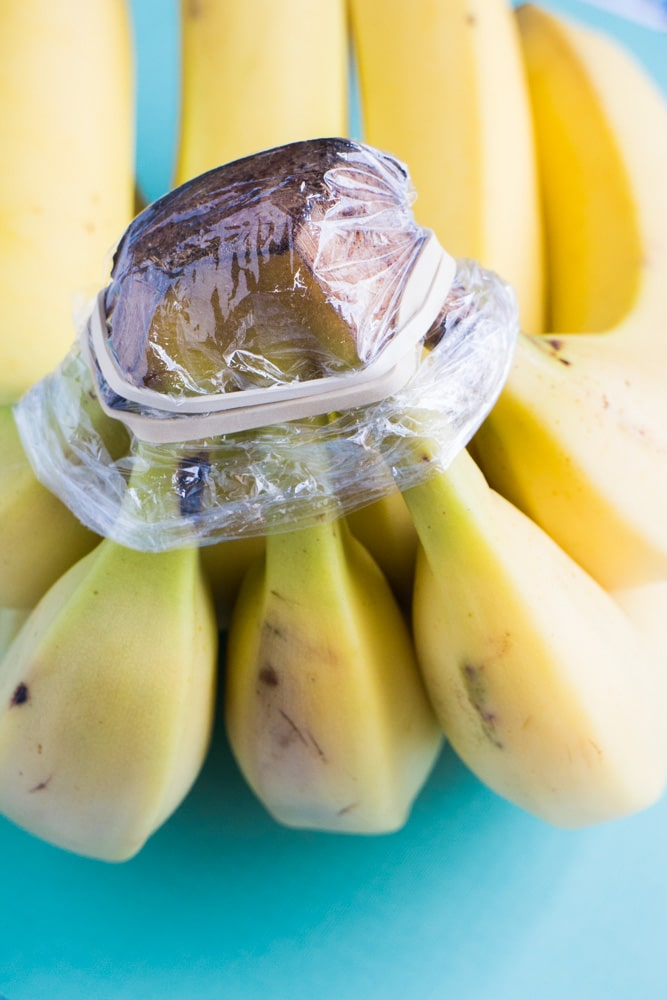
The nutrition-focused website EatingWell published a report based on advice from food safety experts, revealing the scientifically correct method for storing bananas and warning against a common kitchen habit that most people engage in, which accelerates ripening and causes the fruit to turn brown sooner than necessary.
The report explained that bananas, as “climacteric fruits,” continue to ripen after harvest due to their continuous release of ethylene gas, a natural plant hormone that acts as a catalyst for the ripening process. This makes storage conditions a critical factor in extending their shelf life.
According to the report, food safety specialist Trevor Craig clarified that the biggest mistake consumers make is washing bananas immediately after purchase, believing it cleans and preserves them. In reality, excess moisture on the peel destroys the natural protective layer and opens its pores, allowing bacteria and fungi to grow and accelerating spoilage.
The expert emphasized that bananas should only be washed immediately before consumption, not before storage.
The report stressed that the optimal storage method involves separating banana bunches from each other and not leaving them clustered together on the counter unprotected. Experts summarize this in a set of precise measures:
• Wrap the stem of each banana (the top part that attaches it to the bunch) tightly with plastic wrap or aluminum foil, as this area is the primary source of ethylene emission. Isolating it significantly slows the gas’s spread to the rest of the fruit.
• Keep bananas at room temperature, away from direct sunlight and heat sources. Do not refrigerate them until they reach the desired level of ripeness, as early chilling halts the ripening process and causes the peel to turn an unappealing black, even though the flesh remains intact.
• Avoid placing bananas in a fruit bowl next to apples, pears, and avocados, as these fruits also release ethylene. This creates an ethylene “cloud” that mutually accelerates the ripening of all nearby varieties.
The report noted that it is not only possible but advisable to refrigerate bananas once they reach their ideal ripeness (yellow peel with some brown spots), as the cold completely stops the ripening process and keeps them edible for an additional 3 to 5 days.
The expert added that the peel turning brown or black inside the refrigerator does not indicate that the flesh has spoiled; it is merely a harmless chemical reaction in the peel caused by the breakdown of phenolic compounds. The flesh remains white and sweet.
In fact, following these simple steps can extend the life of bananas for up to a full week, reducing food waste and ensuring the fruit is consumed at its peak quality. The bottom line is that smart management of ethylene is the secret to keeping bananas fresh, and understanding the chemistry of nature in the kitchen can save money and improve the quality of daily food.
