79.9% Contribution of the Non-Oil Gulf Sector to GDP
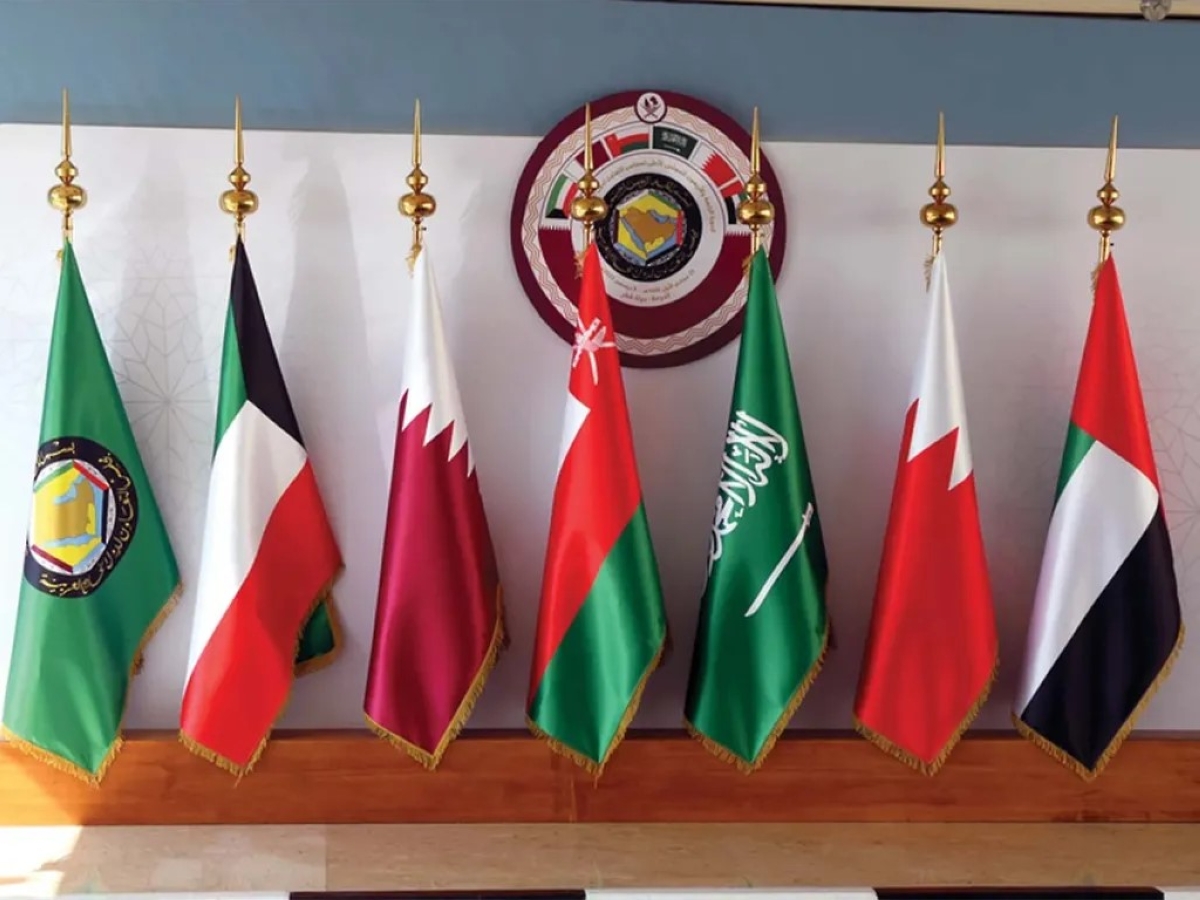
The Gulf Cooperation Council (GCC) economies achieved an annual growth rate of 5.8% in the fourth quarter of 2025, supported by the expansion of non-oil activities and ongoing economic diversification efforts. The GCC’s gross domestic product (GDP) at current prices reached approximately $618 billion, while GDP at constant prices stood at around $490.4 billion.
A report issued by the Gulf Cooperation Council Statistical Center clarified that the non-oil sector continued to consolidate its role as the primary driver of GCC economic growth, accounting for 79.9% of GDP at current prices, compared to 20.1% for the oil sector. This reflects the success of economic diversification programs and the enhanced capacity of GCC economies to withstand fluctuations in energy markets.
The report noted that manufacturing activities led the list of non-oil activities in terms of contribution to nominal GDP, accounting for 12.6%, followed by wholesale and retail trade activities at 10.4%, and construction activities at 8.9%. This highlights the broadening of the GCC economic base and the diversification of growth drivers.
The GCC Statistical Center emphasized that the increased contribution of the non-oil sector reflects a shift in economic diversification within the GCC from a supportive path for growth to a central element in shaping the structure of Gulf economies and enhancing their ability to generate value outside the oil sector.
The report indicated that the real growth recorded during the fourth quarter reflects an improvement in the quality of economic performance, as the expansion was driven by actual productive activity rather than merely price changes. Furthermore, the diversification of economic activities contributed to enhancing the resilience of Gulf economies against fluctuations in energy markets.
It pointed out that the coming phase requires continued focus on raising productivity, accelerating innovation, expanding the base of advanced industries, empowering the private sector, and increasing non-oil exports, thereby supporting the competitiveness of Gulf economies and facilitating their transition toward efficiency- and value-added-based growth.
On the demographic front, data from the Center showed that the population of the GCC countries reached 62.8 million in 2025, an increase of over 6.2 million compared to 2022, with an average annual growth rate of 3.5%.
The Center explained in a recent report that the Gulf population rose from 56.6 million in 2022 to 59.1 million in 2023, then to 61.5 million in 2024, reaching an estimated 62.8 million in 2025.
It noted projections for continued population growth in the GCC, with the population expected to reach approximately 83.6 million by 2050, an increase of nearly 33.1% compared to 2025. The GCC population currently represents about 0.8% of the world’s total population.
The Center confirmed that the GCC countries still maintain a young demographic structure, with the youth population aged 15 to 34 reaching approximately 23.5 million, representing 38.2% of the total population in 2024.
It clarified that the working-age population (15–64 years) accounted for 76.7% of the total population, compared to 20.6% for children under 15, while the elderly population (65 years and older) stood at approximately 2.6%, reflecting the continued youthful nature of the Gulf demographic structure.
The Center emphasized that the sustained high proportion of the working-age population, representing more than three-quarters of the total population, provides a crucial foundation for supporting economic growth and enhancing productivity. It also highlights the importance of investing in and empowering the youth, who serve as a primary driver of development in the GCC countries.
