KIPCO Invest: Kuwait Stock Exchange stands alone in the Gulf with increased trading volume in the second quarter
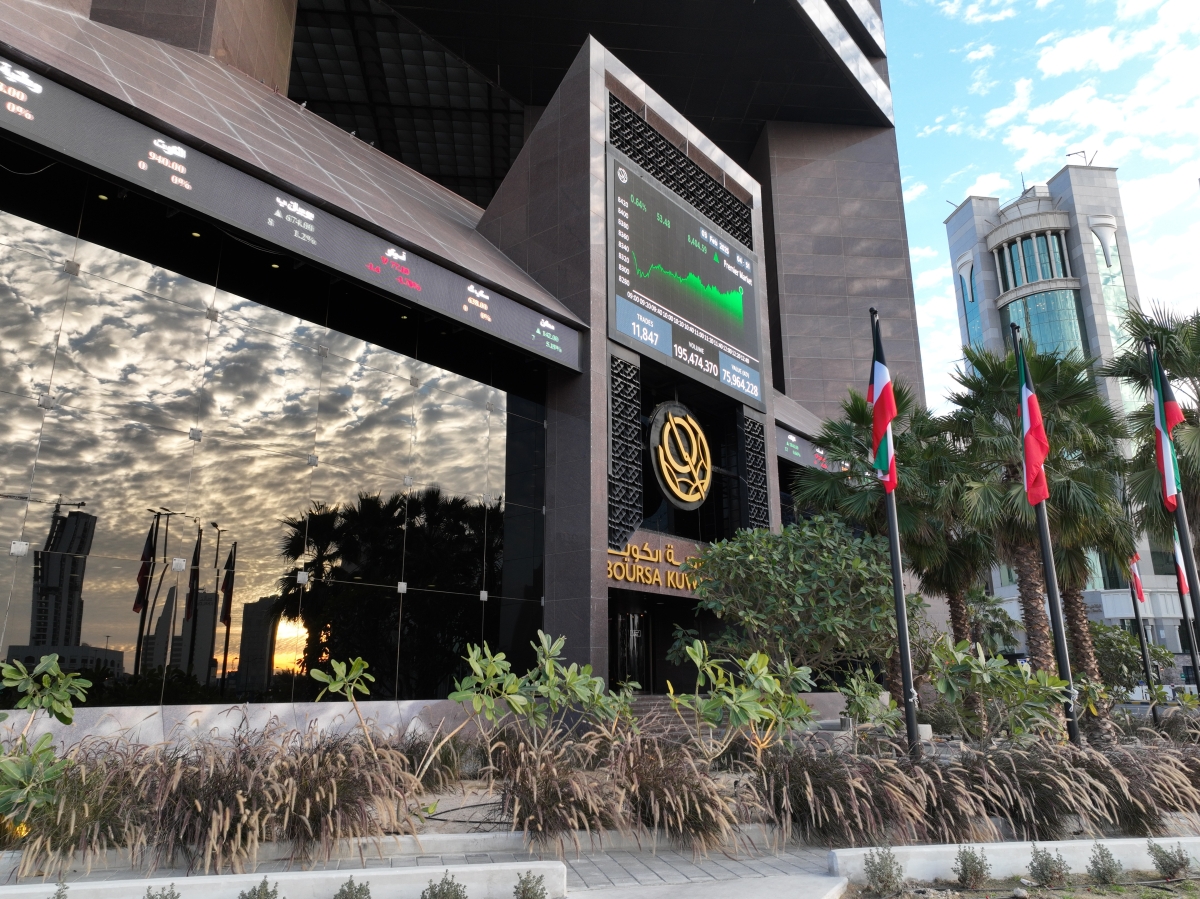
- Kuwait’s stock market turnover rose 41.9 percent to 17.2 billion shares - Kuwait ranks second in net foreign sales at $480 million KAMCO Invest reported that foreign investors, including institutions and individuals, r
Translated by Qiyas from الراي — Original source
- Kuwait’s stock market turnover rose 41.9 percent to 17.2 billion shares
- Kuwait ranks second in net foreign sales at $480 million
KAMCO Invest reported that foreign investors, including institutions and individuals, recorded net sales in Gulf stock markets during the second quarter of 2026, totaling $298.3 million, following net purchases of $1.5 billion in the first quarter. However, over the first half of the year, foreign investors recorded net buying activity in four out of six months, despite intermittent selling pressure. Total net purchases amounted to $1.2 billion in the first half, compared to $6.9 billion in the first half of 2025, reflecting an 83.1 percent year-on-year decline.
Quarterly data on trading activities in Gulf exchanges showed that all markets recorded net sales by foreign investors during the second quarter, except for Saudi Arabia, which saw net foreign purchases of $1.6 billion during the quarter, partially offsetting the overall net sales. Foreign investors remained the largest sellers in the Dubai Financial Market during the second quarter, recording net sales of $641.5 million, following net sales of $654.0 million in the previous quarter.
Kuwait came next with net foreign investor sales of $480.3 million, while the Qatar Stock Exchange and Abu Dhabi Securities Exchange recorded net sales of $375.4 million and $187.3 million, respectively. The Muscat Securities Market and the Bahrain Bourse experienced relatively lower net selling, at $161.3 million and $3.1 million, respectively.
Meanwhile, monthly trading trends (excluding Bahrain due to data unavailability) showed that Saudi Arabia continued to record net foreign purchases throughout the three months of the second quarter.
The report revealed that Gulf investors (excluding Bahrain) engaged in net purchases totaling $62.4 million, compared to net sales of $269.0 million in the first quarter, indicating a shift in investor sentiment compared to the previous quarter. Saudi Arabia recorded the highest net purchases by Gulf investors during the quarter at $220.7 million, followed by Oman at approximately $127.2 million.
Conversely, the Dubai, Qatar, Abu Dhabi, and Kuwait stock exchanges experienced net sales by Gulf investors during the second quarter, partially offsetting the strength of buying activity recorded by Gulf investors during the same period.
During the first half of the year, foreigners were buyers in the Saudi market, with total net purchases reaching 12.7 billion riyals, representing a 75.4 percent increase compared to net purchases of 7.3 billion riyals in the first half of 2025, supported by the expansion of market access for foreign investors. Foreign investor purchases peaked in January, totaling $5 billion. During the first half, the highest weekly net purchase by foreign investors was recorded in the third week of April at $2.3 billion, while the highest weekly net sale of $1.1 billion occurred in the first week of May. At the same time, Saudi individual investors recorded net sales of 22.3 billion riyals during the first half, compared to net purchases of 7.1 billion riyals in the corresponding period last year. Retail investors also recorded their highest net purchases in March, totaling 7.3 billion riyals.
On the front of overall trading activity, the report recorded a 21.7 percent quarter-on-quarter decline in the total volume of shares traded in Gulf markets, reaching 64.0 billion shares in the second quarter, compared to 81.7 billion in the first quarter. During this quarter, the volume of shares traded declined in six of the seven Gulf stock exchanges compared to the previous quarter, with Kuwait being the only market to record an increase in trading volume. Specifically, the volume of shares traded on the Kuwait Stock Exchange rose by 41.9 percent quarter-on-quarter to reach 17.2 billion shares in the second quarter, up from 12.1 billion shares in the first quarter.
The report noted an increase in the total value of Gulf market trades during the second quarter, despite the decline in the volume of shares traded, reflecting a rise in the average transaction value in several markets. The total value of shares traded increased by 8.8 percent quarter-on-quarter to reach $157.7 billion in the second quarter, compared to $145.0 billion in the first quarter.
At the individual exchange level, Abu Dhabi, Dubai, and Oman recorded quarter-on-quarter declines in the value of shares traded, while the other Gulf markets posted gains. Kuwait recorded the strongest increase in trading activity, with the value of shares traded rising from $12.1 billion in the first quarter to $19.9 billion in the second quarter, lifting its share of the total value of trades in Gulf markets to 12.6 percent, up from 8.4 percent in the previous quarter.
Saudi Arabia also recorded a notable increase, with the value of shares traded rising from $77.5 billion in the first quarter to $86.4 billion in the second quarter. Similarly, Bahrain and Qatar posted positive quarter-on-quarter growth, with trading values increasing by 15.3 percent and 2.5 percent, respectively.
