What Are the Best Protein Sources for Those Over 50?
The website Everyday Health published an extensive advisory report based on recommendations from specialists in geriatrics and clinical nutrition, identifying the best protein sources that older adults need to maintain m
Translated by Qiyas from الراي — Original source
The website Everyday Health published an extensive advisory report based on recommendations from specialists in geriatrics and clinical nutrition, identifying the best protein sources that older adults need to maintain muscle mass, bone density, and vitality, in the face of natural age-related muscle loss.
The report noted that daily protein requirements increase significantly after age 50, reaching between 1.2 and 1.6 grams per kilogram of body weight, compared to the 0.8 grams recommended for younger people. This is because the body’s ability to use consumed protein to build muscle declines with age, a phenomenon scientifically known as "anabolic resistance."
The food sources recommended by experts in the report include:
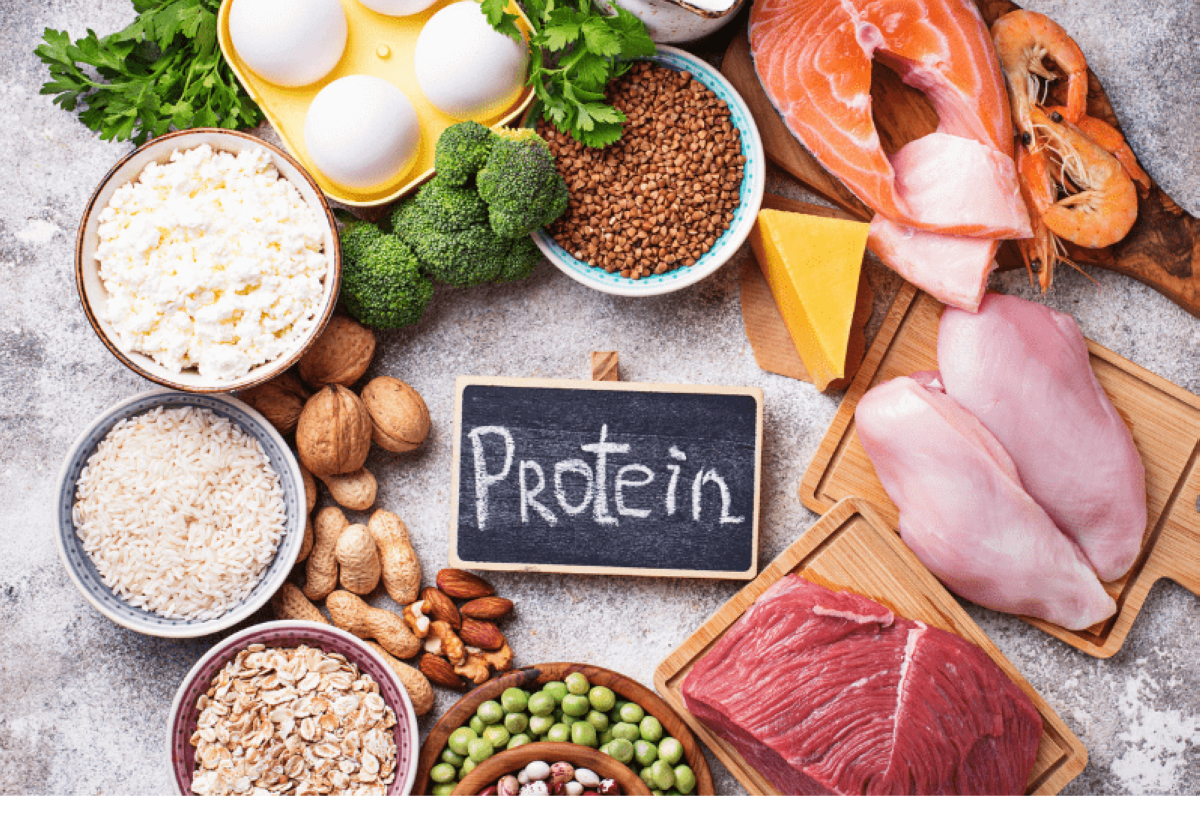
* Fatty fish such as wild salmon, tuna, mackerel, and sardines, which not only provide high-quality, easily digestible protein but also offer omega-3 fatty acids that combat chronic inflammation and improve heart and brain health.
* Whole eggs, which are considered the gold standard for protein quality, containing all essential amino acids in balanced proportions, along with a yolk rich in choline and vitamin D, which are crucial for memory and bone strength.
* Fermented dairy products, primarily Greek yogurt, kefir, and cottage cheese, which are characterized by slow digestion and the sustained release of amino acids into the bloodstream throughout the night, making them ideal as a dinner meal.
* Concentrated plant-based proteins such as lentils, chickpeas, and black beans, which combine protein with fiber and magnesium, as well as quinoa, which contains all essential amino acids, and tofu and edamame (green soybeans), which help combat osteoporosis.
Experts emphasized that distributing protein intake across three main meals is as important as the total amount consumed. They warned against the common habit among older adults of consuming small amounts of protein at breakfast and lunch, then compensating with a large dinner, because the body cannot store excess amino acids for later use and converts them into fat.
The report advised that each main meal should contain at least 25 to 30 grams of protein, equivalent to a small chicken breast, one and a half cups of Greek yogurt, or a dish of lentils with quinoa, to ensure that muscle-building signals peak three times a day.
Doctors warn that protein deficiency in older adults not only leads to visible muscle weakness but also triggers a series of serious health consequences, including an increased risk of falls and fractures, reduced immune system efficiency, slow wound healing, and a decline in the ability to perform basic daily activities independently.
Regarding supplements, the report clarified that whey protein or pea protein powder can be a useful tool for those who genuinely struggle to meet their daily requirements through food alone, particularly in cases of poor appetite or difficulties with chewing and swallowing. However, it stressed the importance of consulting a doctor before starting their use, as they may interact with certain medications and affect kidney function in at-risk groups.
The report concluded that protein is not a sports luxury or an obsession specific to young people or bodybuilders, but rather a cornerstone for maintaining functional capacity, mobility, and quality of life in the later decades of life. Investing in proper nutrition after age 50 is the strongest guarantee for an active and healthy aging process.
