Fasting for 24 consecutive hours aids in gut healing
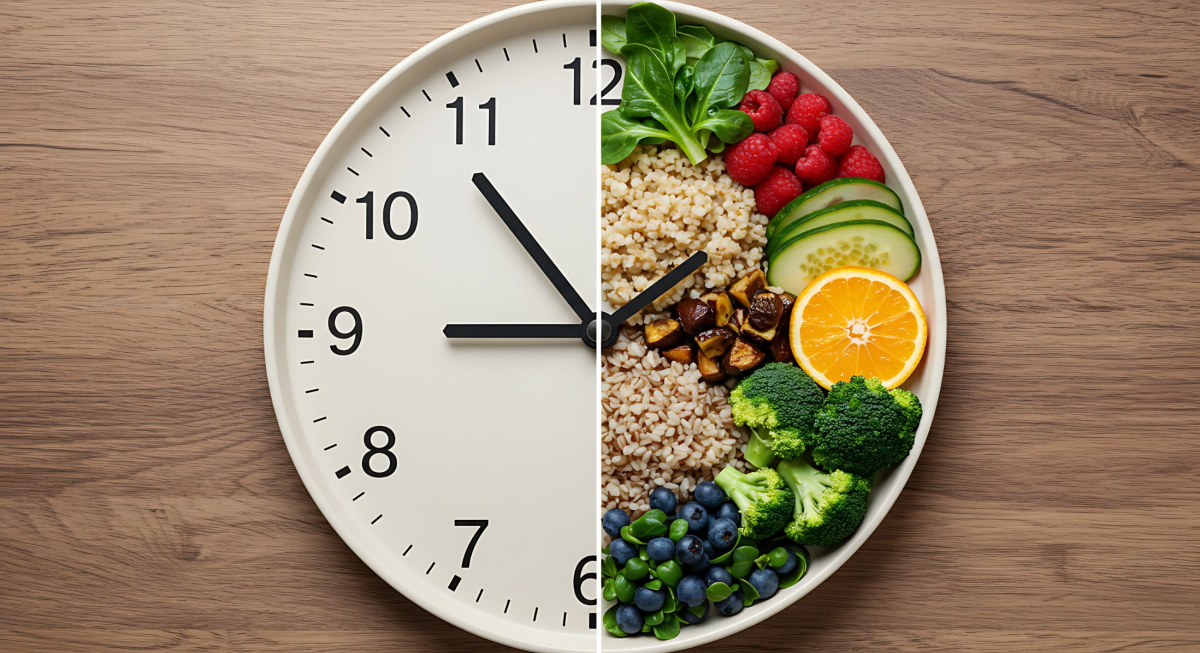
Researchers at the University of Texas’ MD Anderson Cancer Center have found that fasting for 24 consecutive hours before receiving radiation therapy activates a precise biological pathway that stimulates a beneficial gut bacterium to help protect intestinal tissues from radiation damage and accelerate their recovery. These findings were published in the Proceedings of the National Academy of Sciences of the United States of America.
Radiation therapy is widely used to combat abdominal cancers, such as those of the pancreas, colon, and gynecological organs. However, the microscopic lining of the intestine regenerates rapidly, making it highly susceptible to radiation damage. This can cause nausea, diarrhea, and infections, and in severe cases, life-threatening complications, which limits the safe radiation dosage physicians can administer.
Helen Piwnica-Worms, who supervised the study, explained that fasting “primes intestinal cells to respond more quickly and effectively after injury, akin to pre-training these cells with an emergency plan.” She added that the current study elucidates how this plan is regulated and identifies the specific bacterium responsible for coordinating it.
• The role of Akkermansia muciniphila: The study revealed that 24-hour fasting increases the abundance of this bacterium in the intestinal lining. It produces propionate, which, in parallel with metabolic changes resulting from fasting, modifies histone proteins that regulate DNA, thereby unlocking access to genes responsible for tissue regeneration.
• The necessity of combined factors: When researchers experimentally removed this bacterium, the protective benefit associated with fasting disappeared entirely. Merely reintroducing the bacterium was insufficient to restore the benefit; regenerative response returned only when the bacterium was reintroduced alongside fasting. This confirms that microbial and metabolic changes function as an integrated system.
Following radiation exposure, intestinal cells that had acquired this “primed” state during fasting proliferated and contributed to rebuilding the intestinal lining. This indicates that fasting prepares cells before radiation arrives, rather than merely aiding recovery afterward. Given that fasting is difficult or medically unsuitable for many cancer patients, the team is developing alternatives that mimic the same effect, such as treatments based on the bacterium itself, propionate, or specific dietary interventions. These approaches aim to preserve the therapeutic benefits of radiation while minimizing harm to healthy tissues.
