Iraqji: Security loophole remained, facilitating February 28 strikes
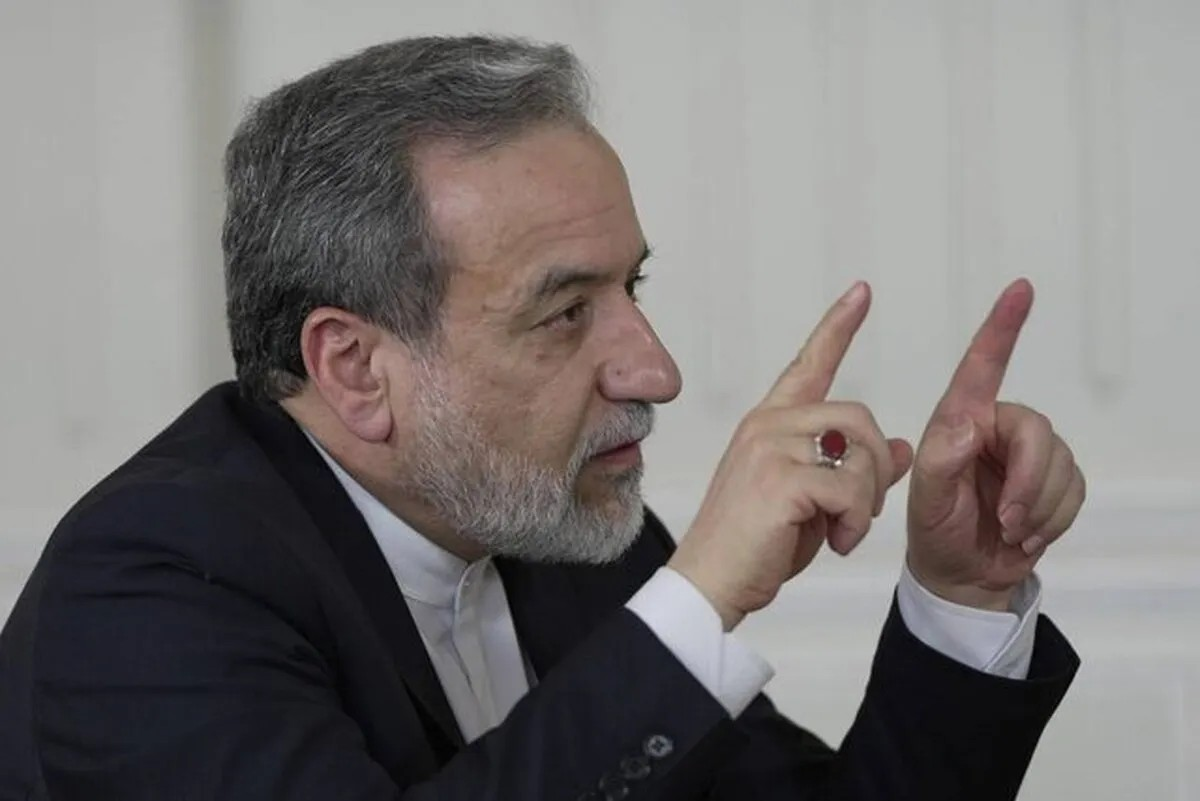
Iranian Foreign Minister Abbas Araghchi acknowledged that a security breach facilitated the US-Israeli strikes on February 28, which resulted in the deaths of several senior political and military leaders, including form
Translated by Qiyas from الراي — Original source
Iranian Foreign Minister Abbas Araghchi acknowledged that a security breach facilitated the US-Israeli strikes on February 28, which resulted in the deaths of several senior political and military leaders, including former Supreme Leader Ali Khamenei.
In an interview with the program “The Story of War,” broadcast by Iranian media, he stated that “the Supreme Leader’s headquarters were bombed through a security vulnerability, which still exists and affects decision-making processes and strategic directions.”
Araghchi revealed that he met with the Supreme Leader’s office director that morning to brief him on developments in negotiations with the United States.
Referring to the Israelis and Americans, he noted that “the critical point, in my view, is that they were aware of these meetings.”
He added that “the problem was not limited to breaches. It sometimes involves influencing the direction of decision-making processes.”
The Foreign Minister pointed out that authorities had devised plans to handle various scenarios from the first day of the war, emphasizing that “had the Supreme Leader been targeted, the closure of the Strait of Hormuz had been decided upon.”
He further stated that Tehran agreed to resume negotiations with Washington despite its conviction that war would break out again, explaining that “we must not miss the opportunity for negotiations, even if the probability is only 10 percent... war comes with its own costs.”
The minister disclosed that the session of the Supreme National Security Council, which discussed approving the memorandum of understanding with Washington, lasted from 9 p.m. until 3 a.m., while the initial ceasefire was accepted in smaller meetings where convening the full council was not possible. He stressed that any future negotiations must be based on adherence to the ten-point Iranian proposal.
He affirmed that the decision to end the war is taken collectively within the Supreme Council and becomes effective after approval by the leadership, considering the 12-day war (in June 2025) a “correct decision” because it allowed his country to strengthen its military capabilities.
He added that Iran had modified its missile launch systems during the eight months between the two wars, making its launch capabilities more sustainable.
